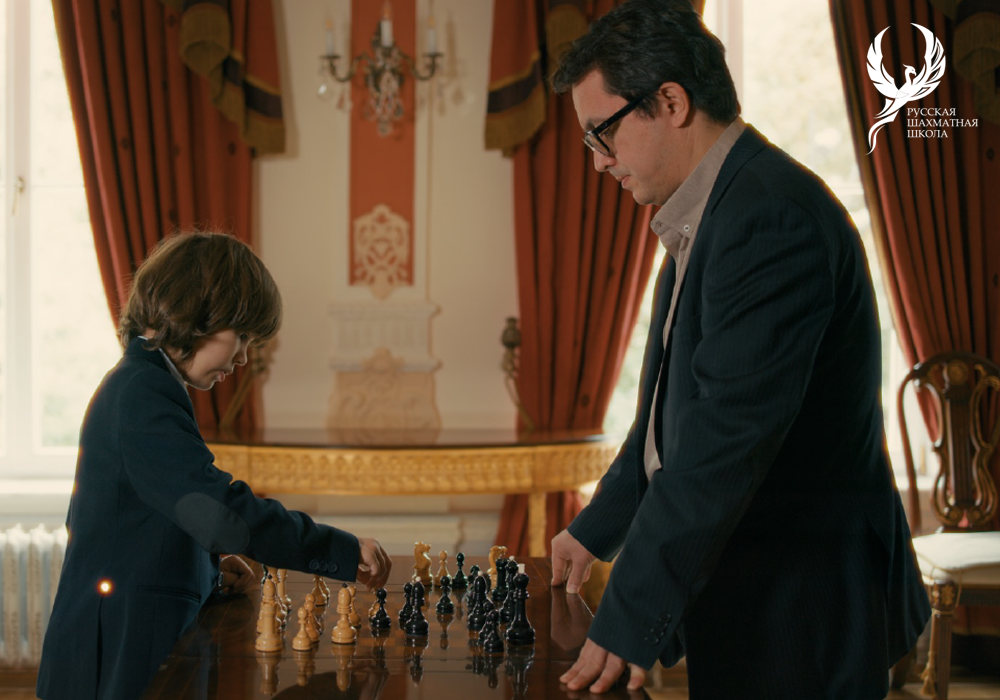
Главные онлайн - турниры осени 2025
The Kamasutra lists 64 arts ( Kalas ) that individuals should master, ranging from singing and dancing to solving riddles and gardening. In modern relationships, this translates directly to spending high-quality, screen-free time together. Couples who read Kannada literature together, attend local theater activities, or engage in creative hobbies build stronger intellectual and emotional foundations. 2. Mastering the Art of Communication
It's important to note that not all platforms are safe. Dedicated adult story sites often have risks like aggressive data tracking, intrusive pop-up ads, and unverified content. Safety should always be a primary concern.
Discussing the soul-stirring verses of Akka Mahadevi, where longing for the divine mirrors the longing for a partner.
Instead of relying solely on physical attraction, show characters connecting through shared knowledge, arts, or wit. A storyline where two individuals fall in love while collaborating on a creative project, discussing literature, or teaching each other a skill mirrors Vatsyayana’s emphasis on the 64 arts. Balance the Three Pillars: Dharma, Artha, and Kama kamasutra kannada sex reading stories
The text is deeply rooted in the Hindu philosophy of life goals: Dharma (duty/ethics), Artha (wealth/career), Kama (desire/pleasure), and Moksha (liberation). The Kamasutra argues that Kama must be pursued in harmony with Dharma and Artha .
The Kamasutra Kannada sex reading stories offer a glimpse into the lives of ancient Indians, their values, and their understanding of human relationships. The text is divided into seven chapters, each dealing with a specific aspect of human intimacy, including:
Mirroring global shifts, Kannada heroines are no longer depicted merely as passive recipients of affection. Authors are writing characters who express their desires, set boundaries, and actively navigate their sexual and emotional needs. This shift directly mirrors the Kamasutra’s historical recognition of female pleasure as an essential component of a balanced relationship. 3. Navigating Tradition and Modernity The Kamasutra lists 64 arts ( Kalas )
By analyzing the Kamasutra through a Kannada literary lens, we can uncover a rich tapestry of emotional depth, psychological nuance, and romantic narratives that continue to influence contemporary understandings of love and companionship. The True Essence of the Kamasutra: Beyond the Physical
“Anjali… nimma nageyalli ashtāvadhāna. Nanage nimma kadegaLu beku, kelage alla. Nimma kopa, nimma bēsara, nimma mouna—ellā preeti chihnagaLu.” (Anjali… in your laughter is an eightfold concentration. I want your stories, not just your skin. Your anger, your fatigue, your silence—all are love signs.)
The search for "Kamasutra Kannada sex reading stories" reveals a fascinating intersection: a global interest in the ancient Indian text on pleasure and a deep-seated regional desire to access this wisdom in the Kannada language. At its heart, this search is about more than just reading sexual stories; it's an exploration of cultural identity, literary history, and the evolving discourse on desire and intimacy within Kannada-speaking communities. Safety should always be a primary concern
Unlike many ancient texts that sidelined women, the Kamasutra advocates for a woman’s right to pleasure, education, and choice in romance. It teaches that a romantic storyline thrives only when both partners view each other as equals. The Art of Courtship
To understand the connection between Kamasutra readings and Kannada romantic narratives, one must first dismantle the modern stereotypes surrounding the text. The Kamasutra is divided into seven books ( Adhikarana ), and only a small fraction is dedicated to physical positions. The vast majority of the text discusses:
The story becomes a slow, deep journey: they relearn each other not through positions, but through intention . Each chapter mirrors a Kama Sutra bandha (bond)—but translated into emotional geography. For example:
4. Crafting Compelling Romantic Storylines in Kannada Literature