A certified underground masterpiece, this album blends surrealism, street tales, and jazz fusion. It remains a masterclass in creative sampling and narrative duality.
Do you prefer his or his modern 2010s/2020s output ?
For vinyl enthusiasts and streaming curators, here is the essential chronological checklist for exploring the Madlib universe: Lootpack – Soundpieces: Da Antidote 2000: Quasimoto – The Unseen 2001: Yesterdays New Quintet – Angles Without Edges 2003: Jaylib – Champion Sound 2003: Madlib – Shades of Blue 2004: Madvillain – Madvillainy 2005: Quasimoto – The Further Adventures of Lord Quas 2006: Beat Konducta – Vols 1–2: Movie Scenes 2007: Beat Konducta – Vols 3–4: In India 2010–2012: Madlib Medicine Show (Vols 1–13) 2014: Freddie Gibbs & Madlib – Piñata 2019: Freddie Gibbs & Madlib – Bandana 2021: Madlib – Sound Ancestors 2022: Black Star – No Fear of Time
After a decade of abstract work, Pinata was a return to raw, street-level hip-hop. Freddie Gibbs’ gritty, coke-rap narratives are the perfect foil to Madlib’s soulful, broken beats. Tracks like "Thuggin’," "Deeper," and "Shame" (featuring BJ the Chicago Kid) are modern classics. This album proved Madlib could still make bangers. The 2020 sequel, Bandana , tightened the formula further.
Driven by a deep love for jazz, Madlib taught himself to play physical instruments (drums, keys, vibraphone, bass) and formed a fictional five-piece jazz band where he played every character.
Madlib's discography is a testament to his innovative production style, eclectic taste in music, and collaborative spirit. He has worked with a wide range of artists, from hip hop legends to jazz musicians, and has influenced a generation of producers and DJs. His music continues to inspire and challenge listeners, pushing the boundaries of what is possible in hip hop and beyond.
A groundbreaking exploration of Bollywood psych-rock and traditional Indian music samples.
geom
ggplot2 builds charts through layers using
geom_ functions. Here is a list of the different
available geoms. Click one to see an example using it.
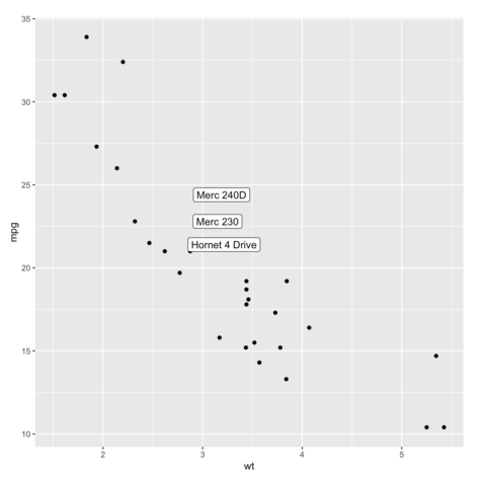
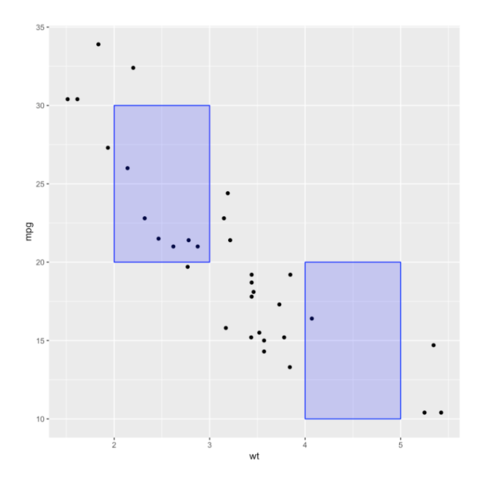
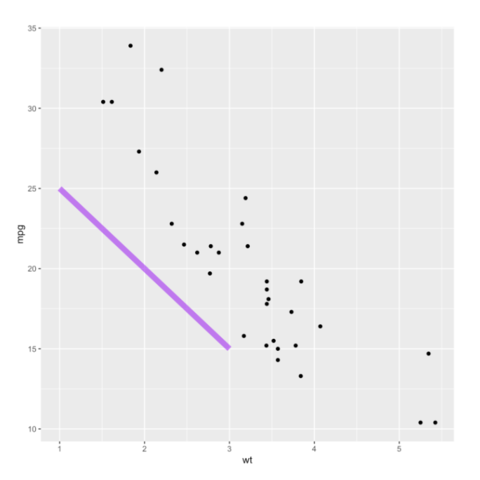
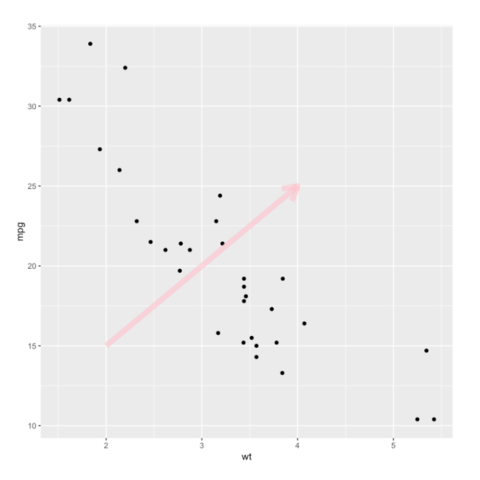
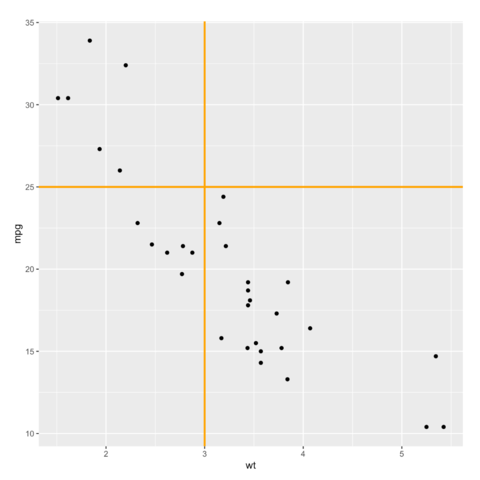
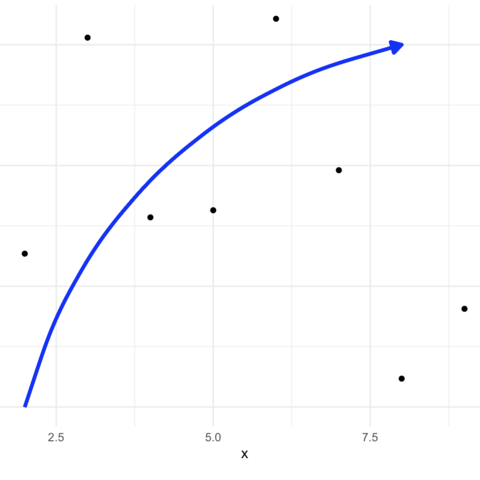
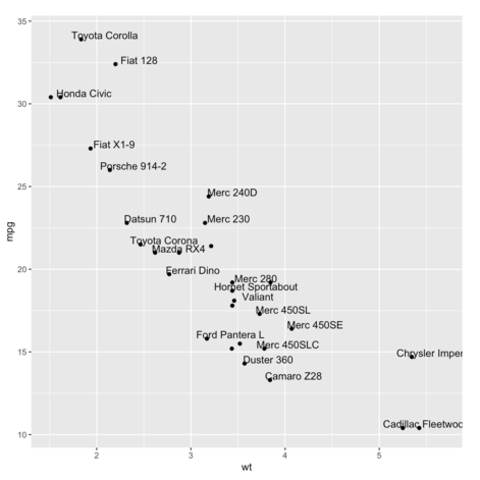
Annotation is a
key step
in data visualization. It allows to highlight the main message of the
chart, turning a messy figure in an insightful medium.
ggplot2 offers many function for this purpose, allowing
to add all sorts of text and shapes.
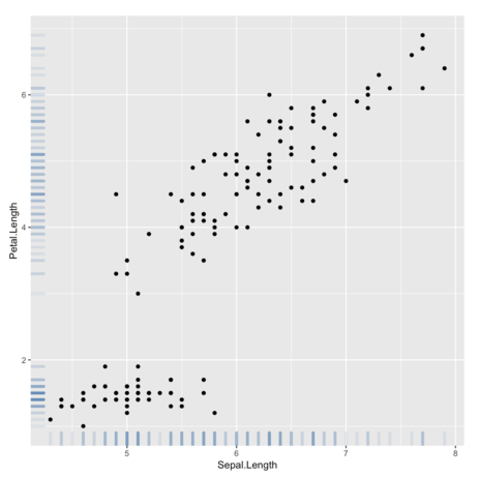
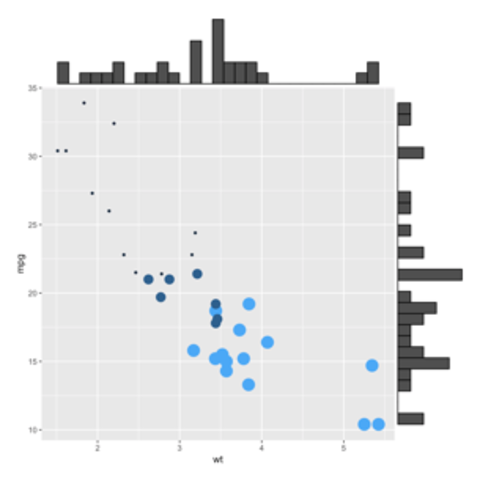
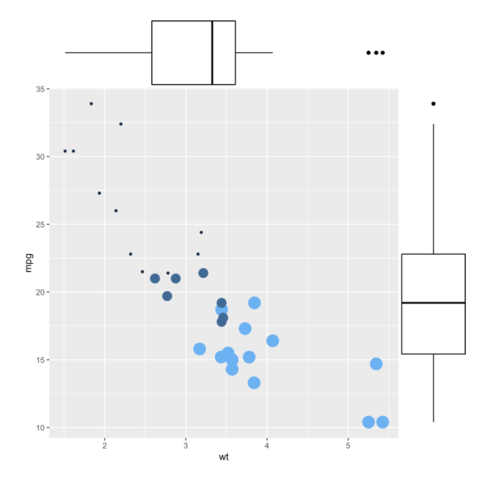
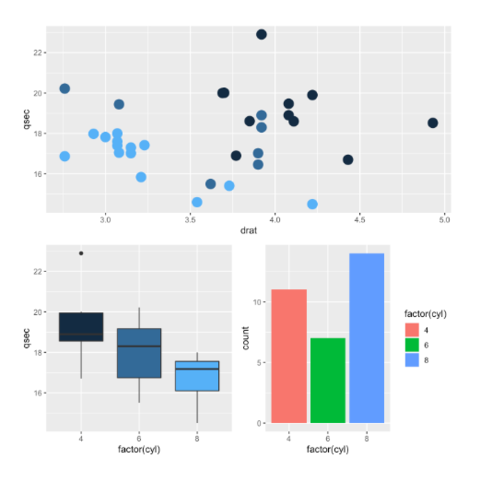
Marginal plots are not natively supported by ggplot2, but
their realisation is straightforward thanks to the
ggExtra library as illustrated in
graph #277.
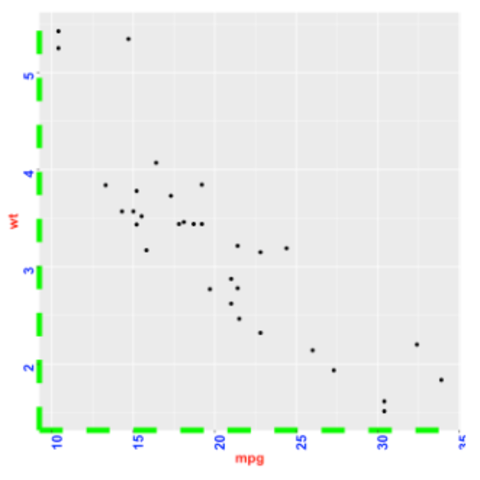
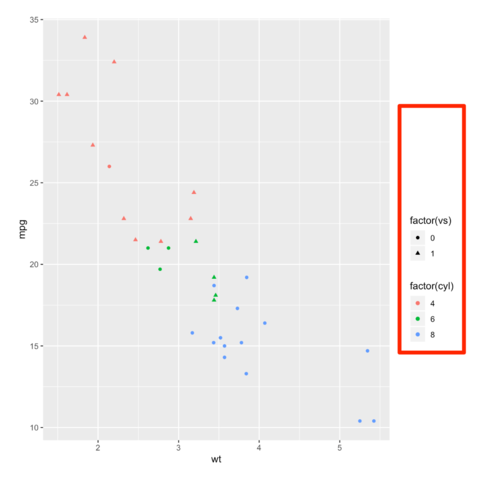
ggplot2 chart appearance
The theme() function of ggplot2 allows to
customize the chart appearance. It controls 3 main types of
components:
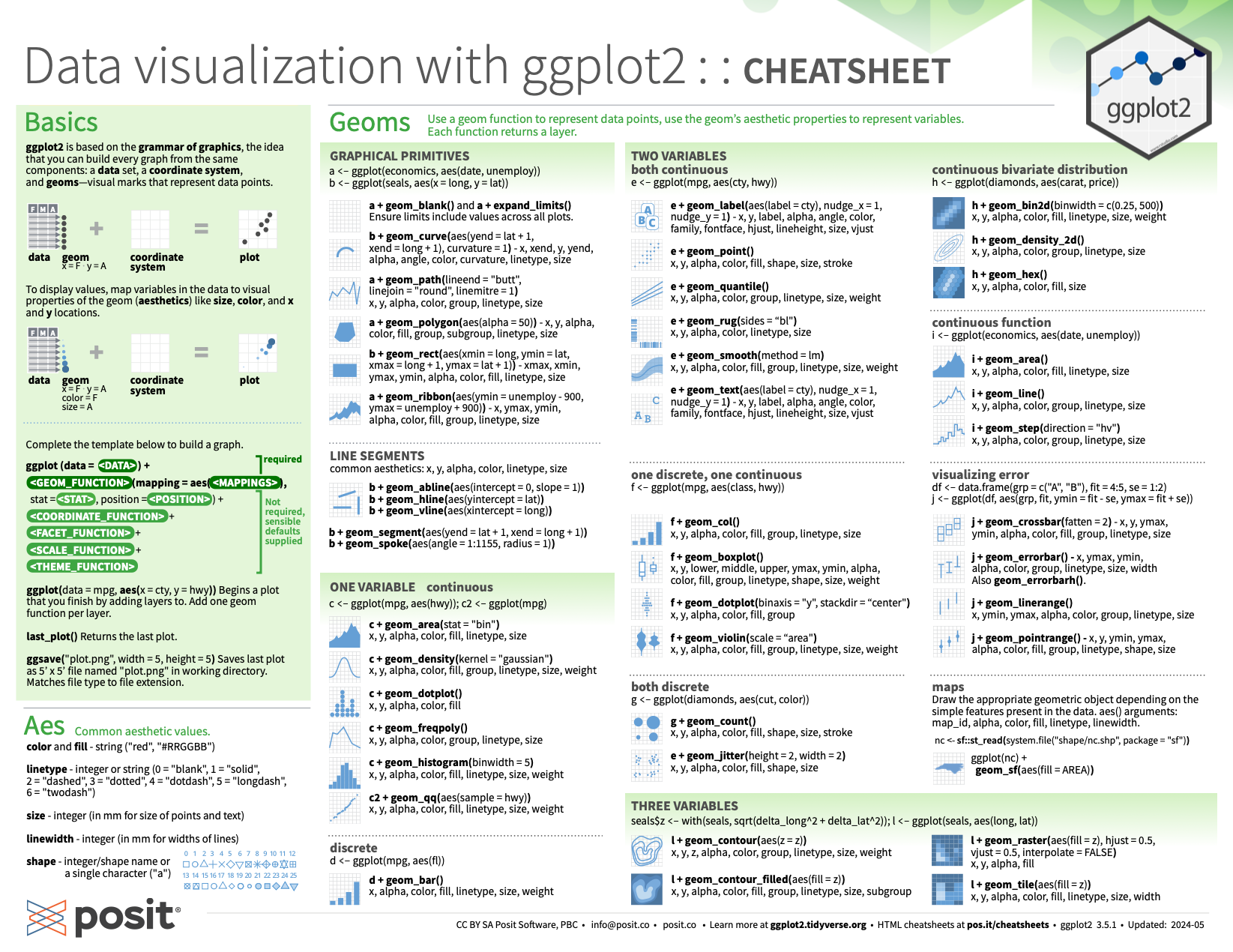
Here’s the official ggplot2 cheatsheet created by Posit. It covers all the key concepts of the library.
I've also compiled it with the most useful R and data visualization cheatsheets into a single PDF you can download:
ggplot2
A cheatsheet for quickly recalling the key functions and arguments of the ggplot2 library.
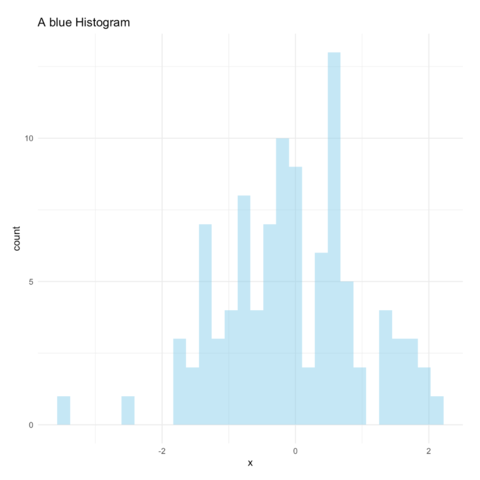
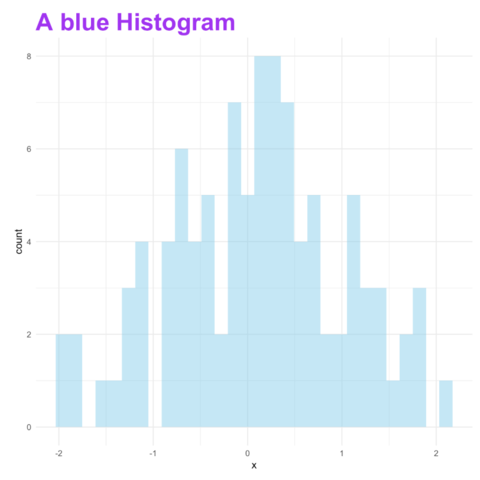
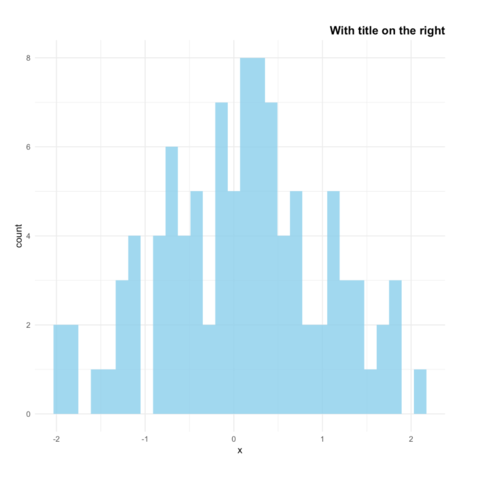
ggplot2 title
The ggtitle() function allows to add a title to the
chart. The following post will guide you through its usage, showing
how to control title main features: position, font, color, text and
more.
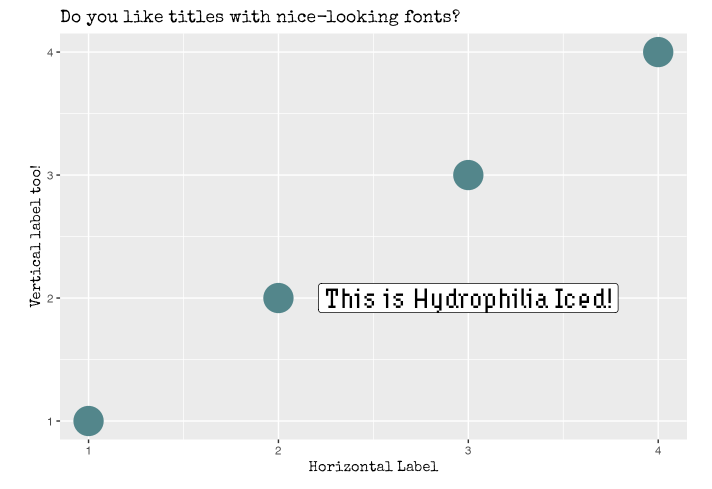
ggplot2
If you don't want your plot to look like any others, you'll definitely
be interested in using custom fonts for your title and labels! This is
totally possible thanks to 2 main packages: ragg and
showtext. The
blog-post below
should help you using any font in minutes.
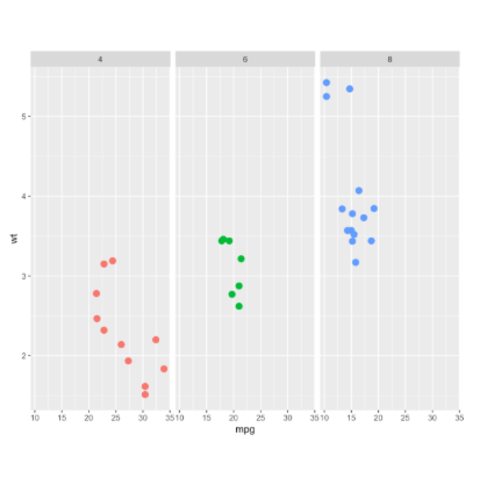
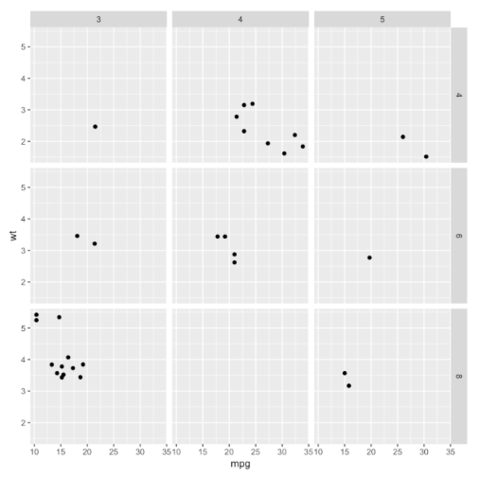
facet_wrap() and
facet_grid()
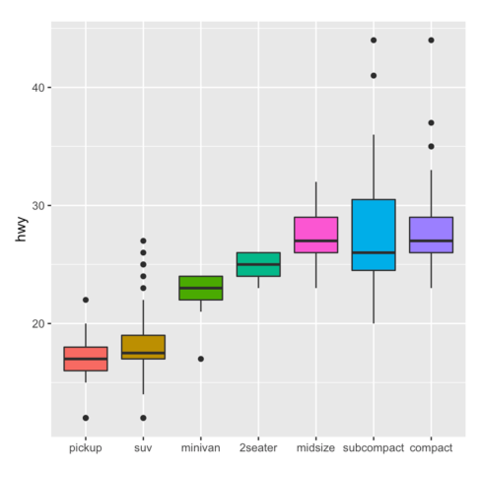
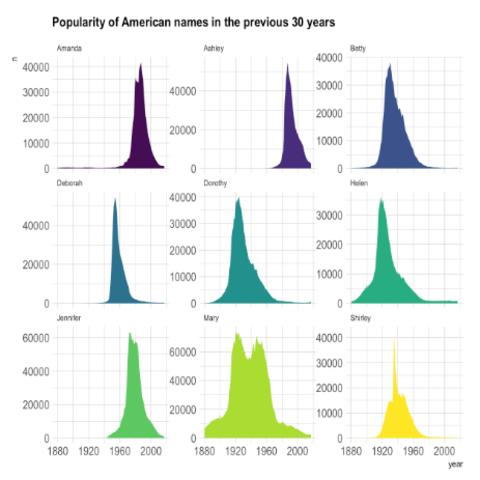
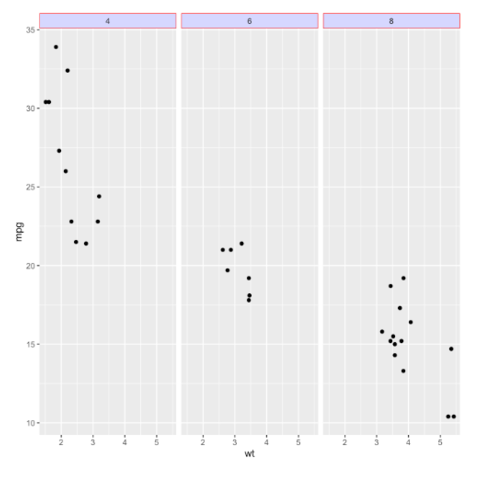
Small multiples is a very powerful dataviz technique. It split the
chart window in many small similar charts: each represents a specific
group of a categorical variable. The following post describes the main
use cases using facet_wrap() and
facet_grid() and should get you started quickly.
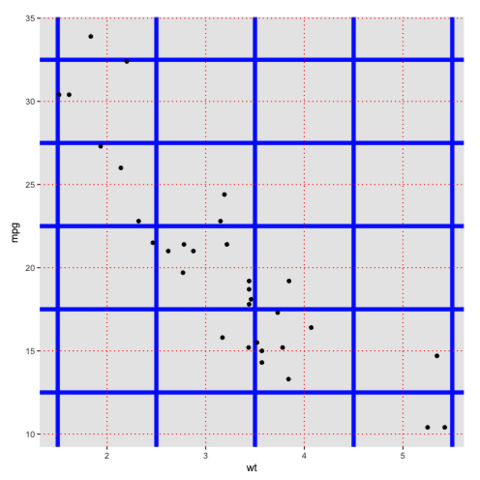
It is possible to customize any part of a ggplot2 chart
thanks to the theme() function. Fortunately, heaps of
pre-built themes are available, allowing to get a good style with one
more line of code only. Here is a glimpse of the available themes.
See code
A certified underground masterpiece, this album blends surrealism, street tales, and jazz fusion. It remains a masterclass in creative sampling and narrative duality.
Do you prefer his or his modern 2010s/2020s output ?
For vinyl enthusiasts and streaming curators, here is the essential chronological checklist for exploring the Madlib universe: Lootpack – Soundpieces: Da Antidote 2000: Quasimoto – The Unseen 2001: Yesterdays New Quintet – Angles Without Edges 2003: Jaylib – Champion Sound 2003: Madlib – Shades of Blue 2004: Madvillain – Madvillainy 2005: Quasimoto – The Further Adventures of Lord Quas 2006: Beat Konducta – Vols 1–2: Movie Scenes 2007: Beat Konducta – Vols 3–4: In India 2010–2012: Madlib Medicine Show (Vols 1–13) 2014: Freddie Gibbs & Madlib – Piñata 2019: Freddie Gibbs & Madlib – Bandana 2021: Madlib – Sound Ancestors 2022: Black Star – No Fear of Time
After a decade of abstract work, Pinata was a return to raw, street-level hip-hop. Freddie Gibbs’ gritty, coke-rap narratives are the perfect foil to Madlib’s soulful, broken beats. Tracks like "Thuggin’," "Deeper," and "Shame" (featuring BJ the Chicago Kid) are modern classics. This album proved Madlib could still make bangers. The 2020 sequel, Bandana , tightened the formula further.
Driven by a deep love for jazz, Madlib taught himself to play physical instruments (drums, keys, vibraphone, bass) and formed a fictional five-piece jazz band where he played every character.
Madlib's discography is a testament to his innovative production style, eclectic taste in music, and collaborative spirit. He has worked with a wide range of artists, from hip hop legends to jazz musicians, and has influenced a generation of producers and DJs. His music continues to inspire and challenge listeners, pushing the boundaries of what is possible in hip hop and beyond.
A groundbreaking exploration of Bollywood psych-rock and traditional Indian music samples.