Copy the original link and paste it into the Wayback Machine (archive.org). Often, the image was saved there even if the original host disappeared.
Longevity and a classic, non-reflective "art" look.
This structural transition explains why a search for an explicit portfolio frequently leads to a directory or a bookmarking ecosystem. The network value of the bookmarking site often outlives the original host of the media files. Summary for Digital Researchers
Because searches involving historical print subcultures can intersect with dead links, spam sites, and unverified software downloads, users exploring these keywords should exercise caution.
Discussion and Context: Beyond just images, these groups often share background information on the photographers, the locations of the shoots, and the printing history of her rare books. Navigating the Gallery
The Diigo Group dedicated to her acts as a collaborative social bookmarking tool. Unlike a standard image host, it provides:
If you’re interested in a fictional story about a photographer named Rika Nishimura, or a character who discovers a mysterious photo gallery in an online archive like Diigo Groups, I’d be glad to write that for you instead. Just let me know how you’d like the story to feel (e.g., mysterious, nostalgic, dramatic) and any key details you want included.
When navigating search strings tied to utility platforms like Diigo Groups, users are interacting with the scaffolding of the internet's archiving community. These directories remain valuable for tracking historical internet footprints, understanding how shared information networks operate, and analyzing how search engines categorize user-generated compilation lists.
Are you trying to learn how to ?
In the vast expanse of the internet, there exist numerous platforms that showcase the artistic talents of individuals from all walks of life. One such platform is Diigo Groups, a community-driven site that allows users to share and discover content related to various topics. Among the numerous groups on Diigo, the "Rika Nishimura Photo Gallery" stands out as a testament to the power of visual storytelling.
The mechanics of social bookmarking dictate how keyword strings like this propagate across the web. When independent curators add links to a public forum or group, they create a footprint that serves several digital functions: 1. Information Redundancy and Archiving
If you're inspired by Rika's work and want to engage with others who share similar interests, consider joining the Diigo Groups community. By creating an account, you'll gain access to a wealth of resources, including:
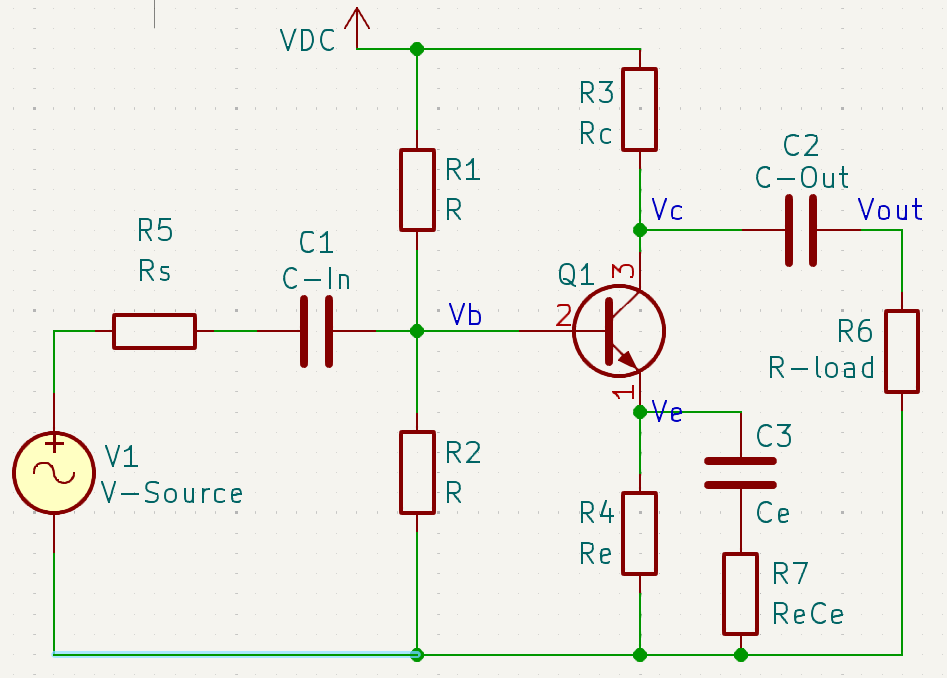
Disclaimer: This tool is provided for educational and illustrative purposes only. No guarantee is made regarding accuracy, suitability, or performance. Use at your own risk. - Copyright: ufelectronics.eu / Andreas Dyhrberg
Copy the original link and paste it into the Wayback Machine (archive.org). Often, the image was saved there even if the original host disappeared.
Longevity and a classic, non-reflective "art" look.
This structural transition explains why a search for an explicit portfolio frequently leads to a directory or a bookmarking ecosystem. The network value of the bookmarking site often outlives the original host of the media files. Summary for Digital Researchers
Because searches involving historical print subcultures can intersect with dead links, spam sites, and unverified software downloads, users exploring these keywords should exercise caution. rika nishimura photo gallery - Diigo Groups
Discussion and Context: Beyond just images, these groups often share background information on the photographers, the locations of the shoots, and the printing history of her rare books. Navigating the Gallery
The Diigo Group dedicated to her acts as a collaborative social bookmarking tool. Unlike a standard image host, it provides:
If you’re interested in a fictional story about a photographer named Rika Nishimura, or a character who discovers a mysterious photo gallery in an online archive like Diigo Groups, I’d be glad to write that for you instead. Just let me know how you’d like the story to feel (e.g., mysterious, nostalgic, dramatic) and any key details you want included. Copy the original link and paste it into
When navigating search strings tied to utility platforms like Diigo Groups, users are interacting with the scaffolding of the internet's archiving community. These directories remain valuable for tracking historical internet footprints, understanding how shared information networks operate, and analyzing how search engines categorize user-generated compilation lists.
Are you trying to learn how to ?
In the vast expanse of the internet, there exist numerous platforms that showcase the artistic talents of individuals from all walks of life. One such platform is Diigo Groups, a community-driven site that allows users to share and discover content related to various topics. Among the numerous groups on Diigo, the "Rika Nishimura Photo Gallery" stands out as a testament to the power of visual storytelling. This structural transition explains why a search for
The mechanics of social bookmarking dictate how keyword strings like this propagate across the web. When independent curators add links to a public forum or group, they create a footprint that serves several digital functions: 1. Information Redundancy and Archiving
If you're inspired by Rika's work and want to engage with others who share similar interests, consider joining the Diigo Groups community. By creating an account, you'll gain access to a wealth of resources, including: