I am searching a book for...


Savita Bhabhi Episode 1 12 Complete Stories Adult Install [extra Quality] Guide
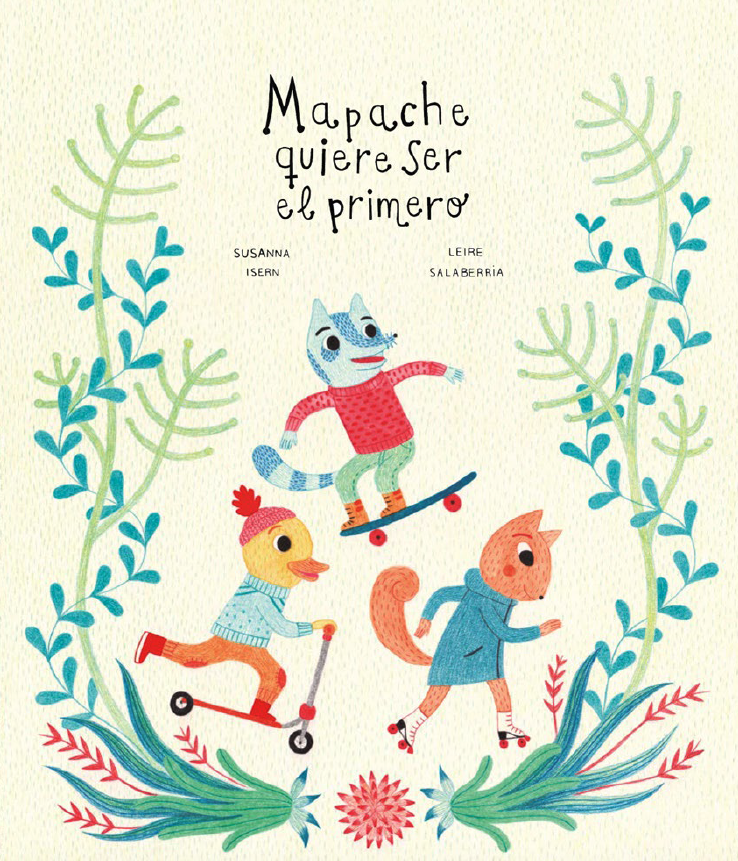
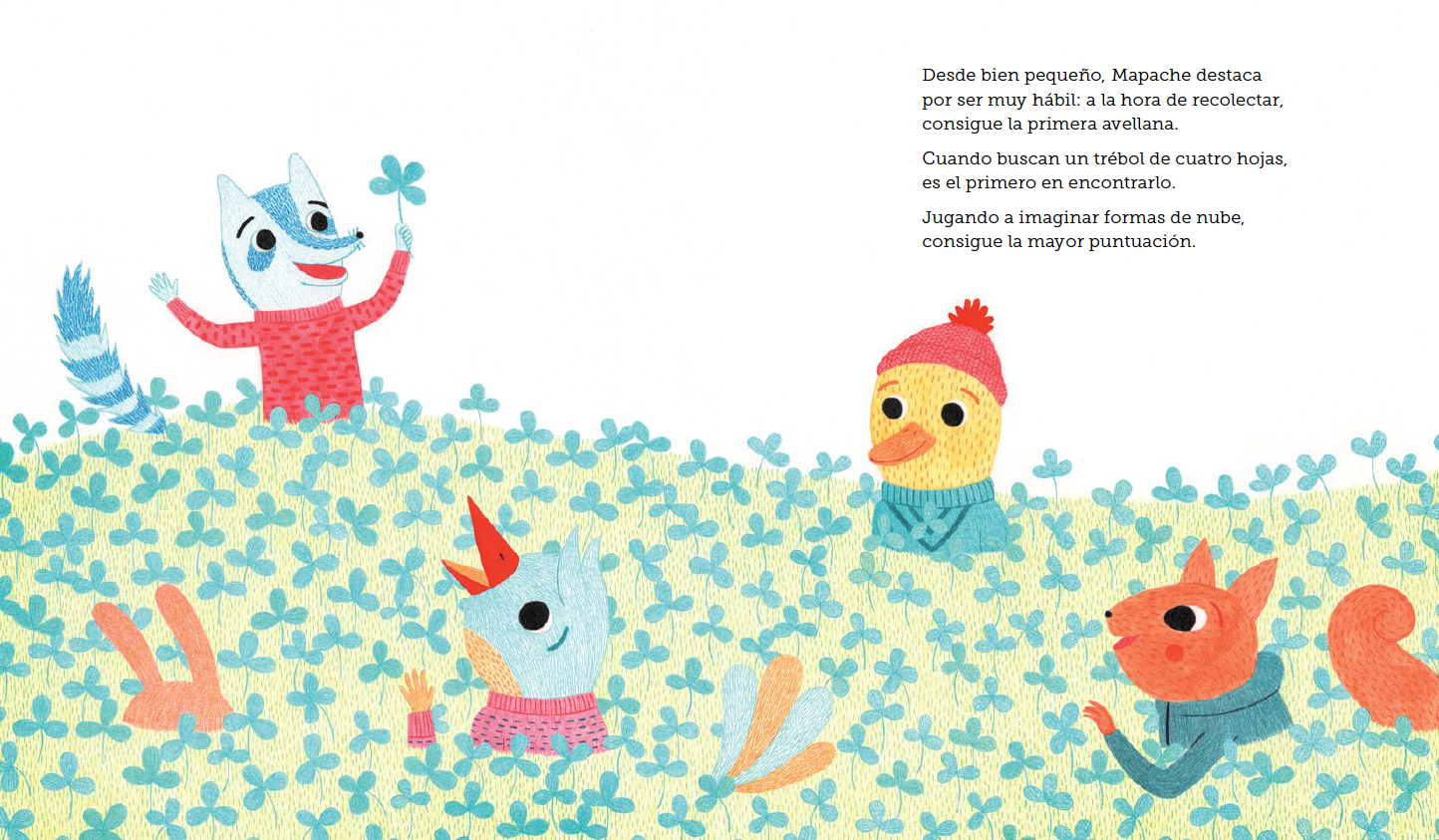
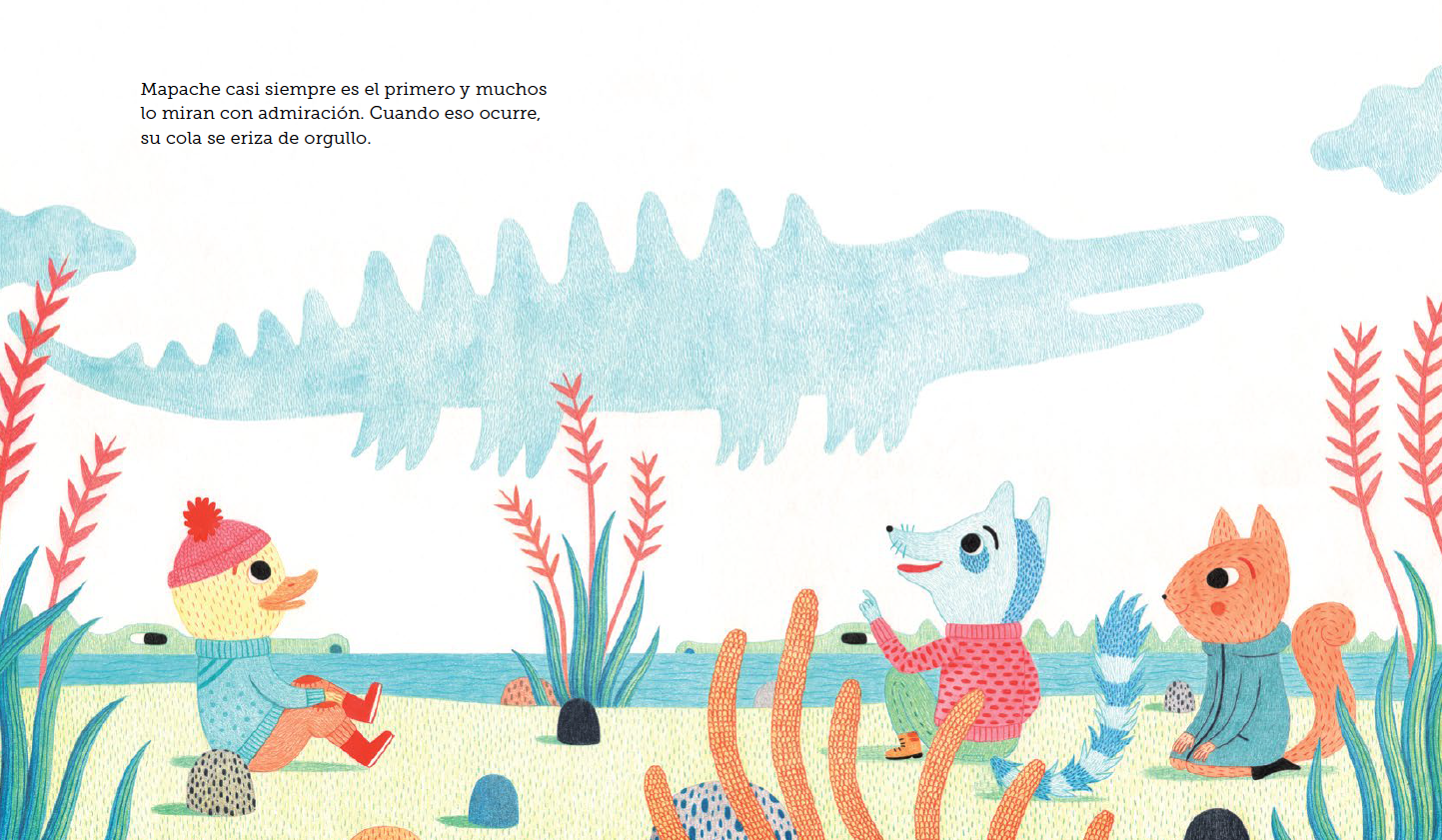
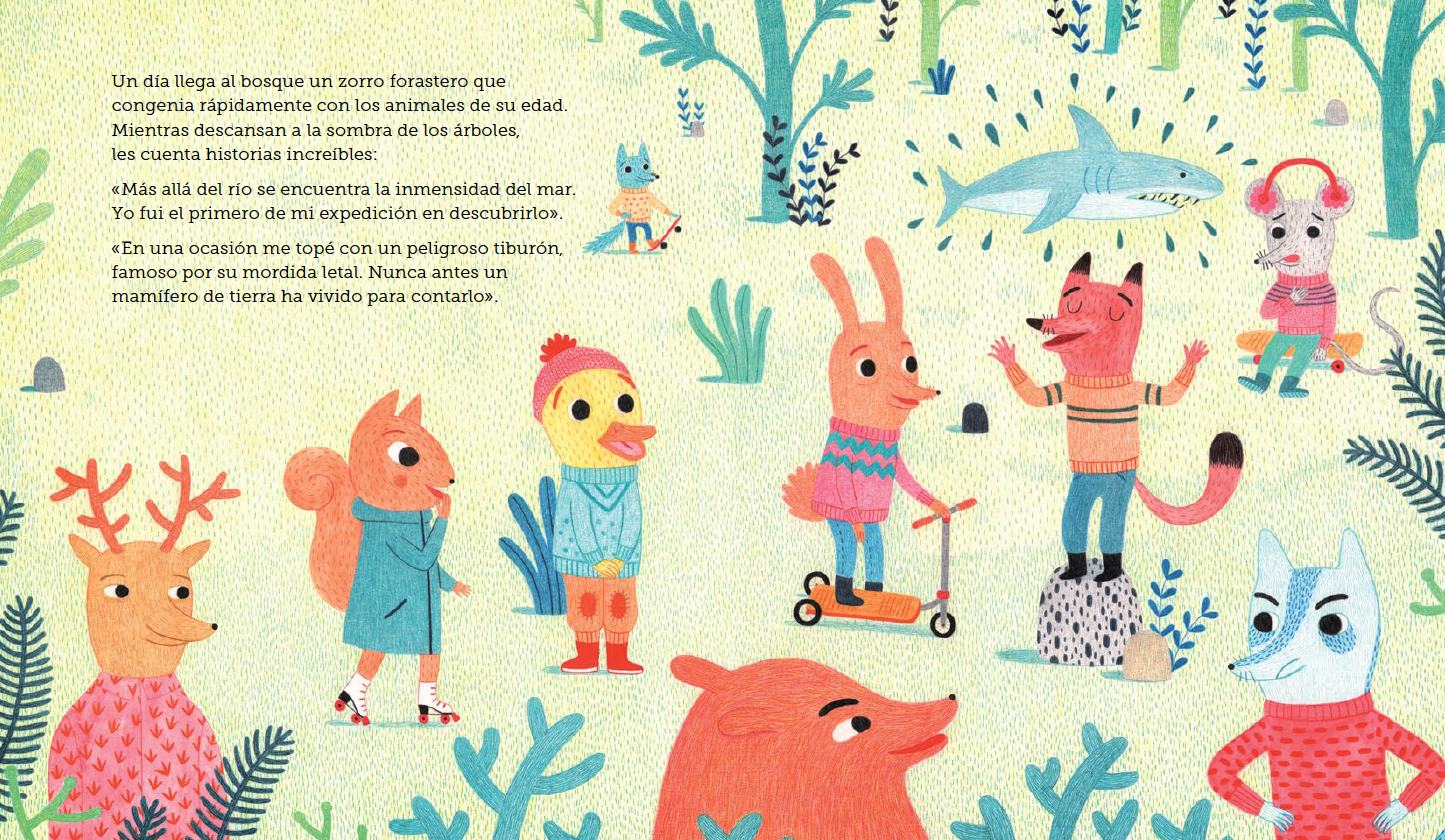
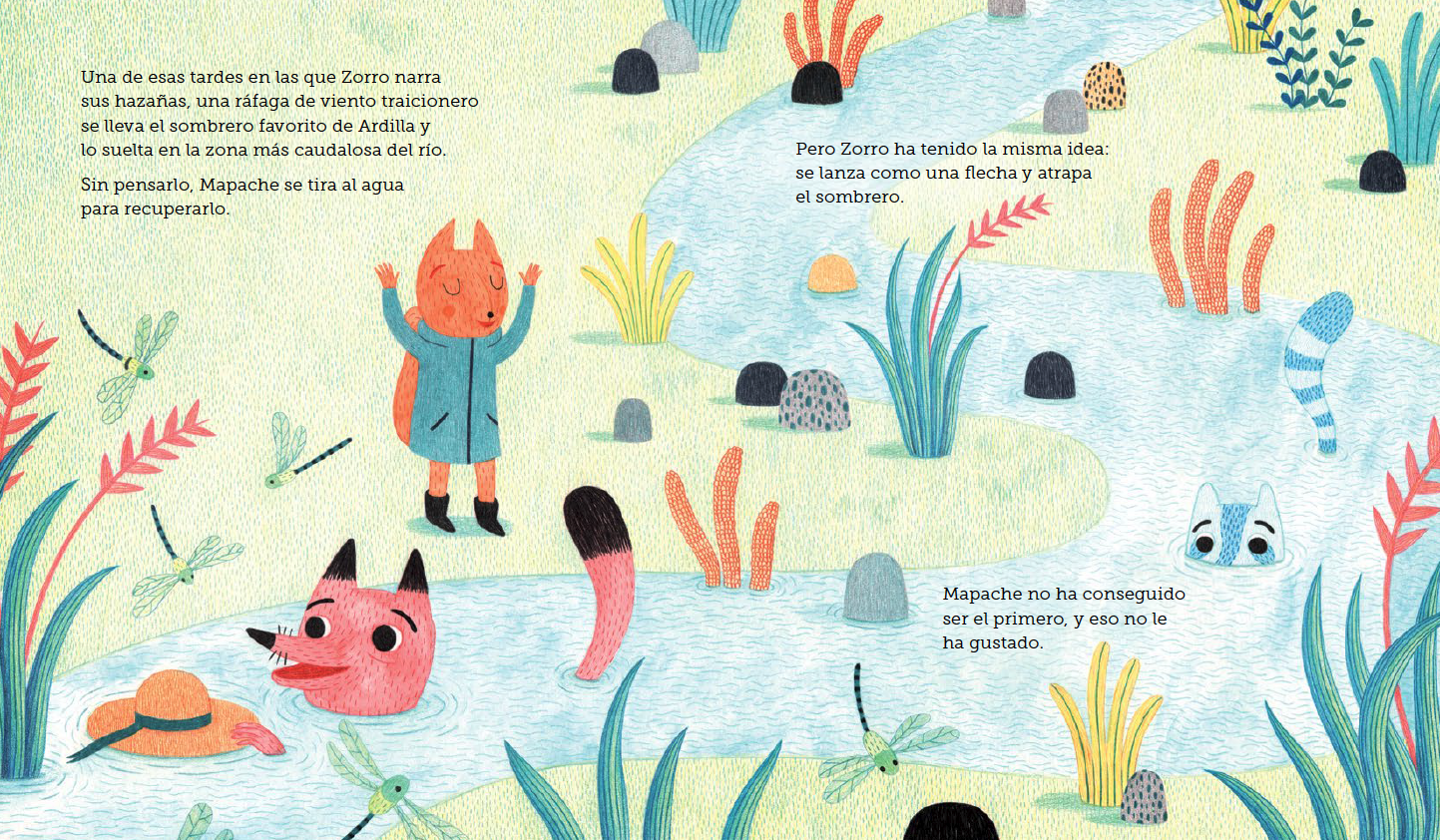
Mapache y sus amigos se dan cuenta de que “ser el primero” no es lo más importante.
Complete description





Savita Bhabhi Episode 1 12 Complete Stories Adult Install [extra Quality] Guide
Indian family lifestyle is defined by a deeply ingrained ethos where group welfare and interdependence take precedence over individual autonomy. While traditional structures are evolving, the family remains the central social institution for emotional, social, and economic support. Core Family Structures
While Priya and Vivek manage the digital demands of their careers, the grandmother ensures Diya learns her native language, eats traditional rice dishes, and hears mythological bedtime stories. On weekends, the family disconnects from screens to video-call their extended family, bridging the gap between urban isolation and traditional collectivism. 5. Festivals and Milestones: The Ultimate Gatherings
: Smartphones and high-speed internet have transformed consumption patterns, sometimes creating silences in once-boisterous living rooms.
Several core values dictate the choices, behaviors, and lifestyles of Indian families. savita bhabhi episode 1 12 complete stories adult install
A typical day in an Indian family begins early. The morning sun hardly seems to rise before the house is filled with the aroma of freshly brewed coffee or tea and the chatter of daily routines being discussed. In many Indian homes, the day starts with a prayer or a quick meditation session. This is followed by a flurry of morning chores, with everyone contributing in their way.
The true heart of Indian family lifestyle beats in the late evening. No matter how late the corporate workers return, dinner is almost always a collective affair. Sitting together over rotis, dal, and sabzi, the family decompresses, debriefs about their day, and watches television together—often a mix of daily soap operas, cricket matches, or reality shows. Food as the Ultimate Cultural Currency
: Preparing fresh, hot lunches ( dabbas ) is a primary focus. In Mumbai, the famous Dabbawalas deliver hundreds of thousands of these home-cooked meals to office workers daily, showcasing the cultural premium placed on home food. The Evening Reunion Indian family lifestyle is defined by a deeply
One of the most defining features of Indian daily life is the "Joint Family" or the frequent presence of extended relatives. Grandparents aren't just visitors; they are the anchors. They are the storytellers who pass down oral histories, the unofficial tutors for homework, and the keepers of secret family recipes. This multi-generational living means there is rarely a quiet moment, but there is always a safety net of emotional and physical support. The "Lunch Box" Culture
Dropping the suffix "Ji" after an elder's name or touching their feet to seek blessings before a big event remains deeply ingrained. Conclusion
Despite these cultural negotiations, the core foundation remains remarkably resilient. The modern Indian family lifestyle adapts to the new world without completely discarding the old, finding harmony in the chaotic, beautiful rhythm of daily life. On weekends, the family disconnects from screens to
The character also tapped into a particularly charged cultural archetype. In North Indian culture, the “bhabhi” is traditionally seen as a trusted confidante, someone you can ask intimate questions and seek advice from. This closeness creates an undercurrent of erotic tension in the collective imagination—a tension that Savita Bhabhi openly explored .
These events are not just holidays; they are stress-tests and reinforcers of family bonds. Weeks are spent deep-cleaning the home, shopping for traditional attire, and preparing specialized sweets. Relatives travel across states to be together. Even in the absence of a major festival, milestones like birthdays, academic achievements, or job promotions are celebrated with large, multi-course family dinners. Navigating the Modern Tug-of-War
- Picture book
- Years: + 4 years
- Size: 8 1/4 x 9 5/8 in
- Product Form: Hardback
- Pages: 40
- ISBN: 978-84-943691-5-5
- $ 15,95 / 14,90 €