
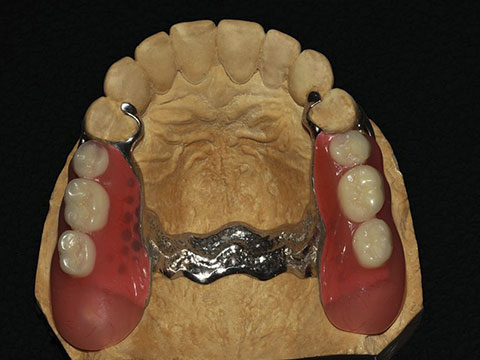
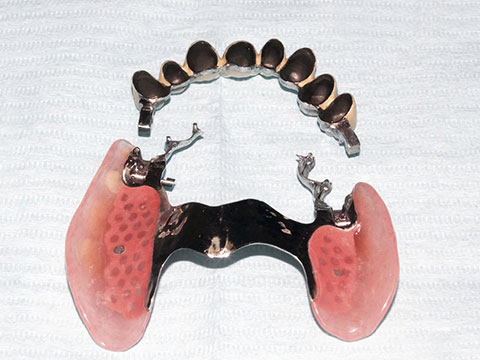
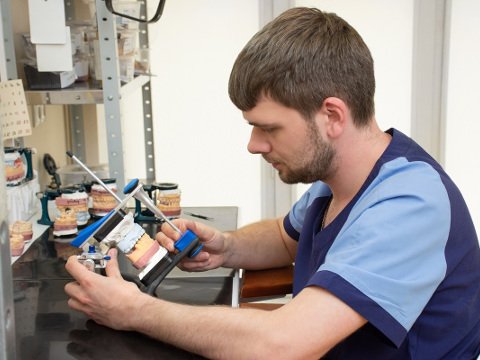
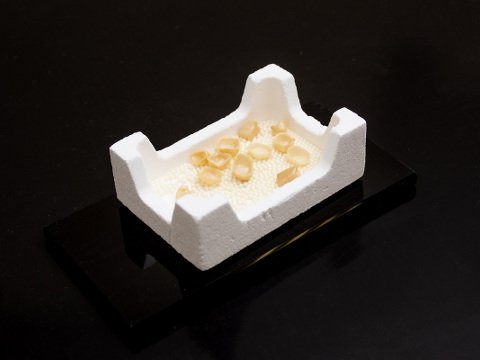
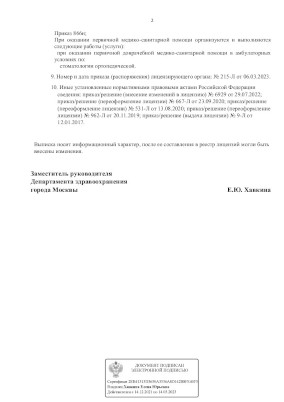
Зуботехническая
лаборатория
лаборатория
































I can refine the text to match your specific publishing goals. Share public link
A "deep" look at this culture must acknowledge its internal frictions. In recent years, "gender-critical" movements—sometimes operating from within the LGBTQIA+ community—have sought to prioritize "sex-based rights" in ways that invalidate transgender identities. This phenomenon, combined with the "new gay sadness" of privileged urban queer culture, has sometimes created environments rife with and classism , where the original revolutionary spirit of the movement is replaced by a desire for assimilation. The Performance of Transgender Inclusion - Public Seminar
The modern LGBTQ liberation movement was built on foundations laid by transgender and gender-nonconforming individuals. Historically, the boundaries between sexual orientation and gender identity were fluid, with marginalized groups finding safety in shared spaces. The Spark of Modern Liberation
Understanding the Transgender Community and LGBTQ+ Culture: History, Visibility, and Intersectionality
For decades, the rainbow flag has served as a symbol of hope, resilience, and unity. But within that vibrant spectrum of colors lies a complex, often messy, and deeply human story. At the heart of that story today is the relationship between the transgender community and the broader LGBTQ (Lesbian, Gay, Bisexual, Transgender, Queer) culture.
Figures like Marsha P. Johnson and Sylvia Rivera , both trans women of color, were central to the Stonewall riots , which transformed a local raid into a global movement.
The relationship between the transgender community and broader LGBTQ+ culture is a dynamic, foundational bond. While the acronym brings together diverse identities under one political and cultural umbrella, the specific history, language, and challenges of transgender individuals form a unique distinct narrative. Understanding this intersection requires looking at shared histories, distinct cultural contributions, and the ongoing fight for complete liberation. A Shared History of Resistance
Access to knowledgeable, respectful, and affordable gender-affirming care remains a major barrier. Transgender individuals experience higher rates of discrimination from medical providers, leading to delayed or avoided treatment.
Trans individuals often face significant barriers, including:
Sexual orientation refers to who a person is attracted to physically, romantically, and emotionally. Transgender people can have any sexual orientation. A trans man can be gay, straight, bisexual, or asexual, just like a cisgender man. Cultural Contributions and Language
Much of contemporary internet slang and pop culture vocabulary—terms like "spilling tea," "throwing shade," "work," and "reading"—originates directly from Black and trans ballroom communities.
I can refine the text to match your specific publishing goals. Share public link
A "deep" look at this culture must acknowledge its internal frictions. In recent years, "gender-critical" movements—sometimes operating from within the LGBTQIA+ community—have sought to prioritize "sex-based rights" in ways that invalidate transgender identities. This phenomenon, combined with the "new gay sadness" of privileged urban queer culture, has sometimes created environments rife with and classism , where the original revolutionary spirit of the movement is replaced by a desire for assimilation. The Performance of Transgender Inclusion - Public Seminar
The modern LGBTQ liberation movement was built on foundations laid by transgender and gender-nonconforming individuals. Historically, the boundaries between sexual orientation and gender identity were fluid, with marginalized groups finding safety in shared spaces. The Spark of Modern Liberation
Understanding the Transgender Community and LGBTQ+ Culture: History, Visibility, and Intersectionality
For decades, the rainbow flag has served as a symbol of hope, resilience, and unity. But within that vibrant spectrum of colors lies a complex, often messy, and deeply human story. At the heart of that story today is the relationship between the transgender community and the broader LGBTQ (Lesbian, Gay, Bisexual, Transgender, Queer) culture.
Figures like Marsha P. Johnson and Sylvia Rivera , both trans women of color, were central to the Stonewall riots , which transformed a local raid into a global movement.
The relationship between the transgender community and broader LGBTQ+ culture is a dynamic, foundational bond. While the acronym brings together diverse identities under one political and cultural umbrella, the specific history, language, and challenges of transgender individuals form a unique distinct narrative. Understanding this intersection requires looking at shared histories, distinct cultural contributions, and the ongoing fight for complete liberation. A Shared History of Resistance
Access to knowledgeable, respectful, and affordable gender-affirming care remains a major barrier. Transgender individuals experience higher rates of discrimination from medical providers, leading to delayed or avoided treatment.
Trans individuals often face significant barriers, including:
Sexual orientation refers to who a person is attracted to physically, romantically, and emotionally. Transgender people can have any sexual orientation. A trans man can be gay, straight, bisexual, or asexual, just like a cisgender man. Cultural Contributions and Language
Much of contemporary internet slang and pop culture vocabulary—terms like "spilling tea," "throwing shade," "work," and "reading"—originates directly from Black and trans ballroom communities.
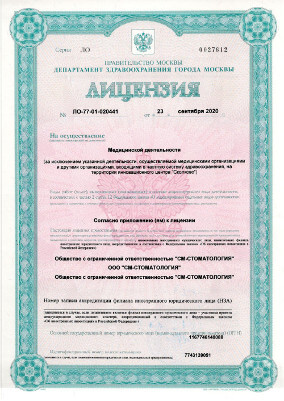
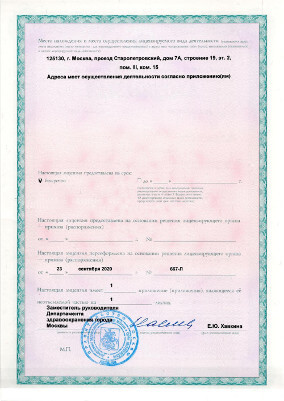
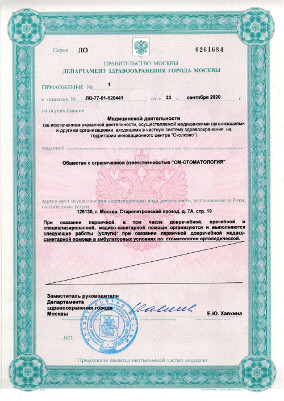
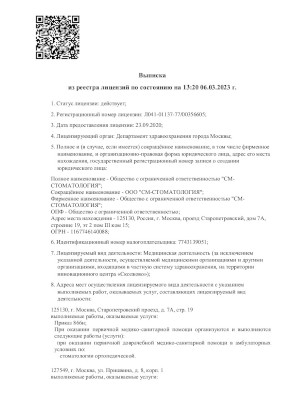
 Контакты
 Режим работы
 Как добраться