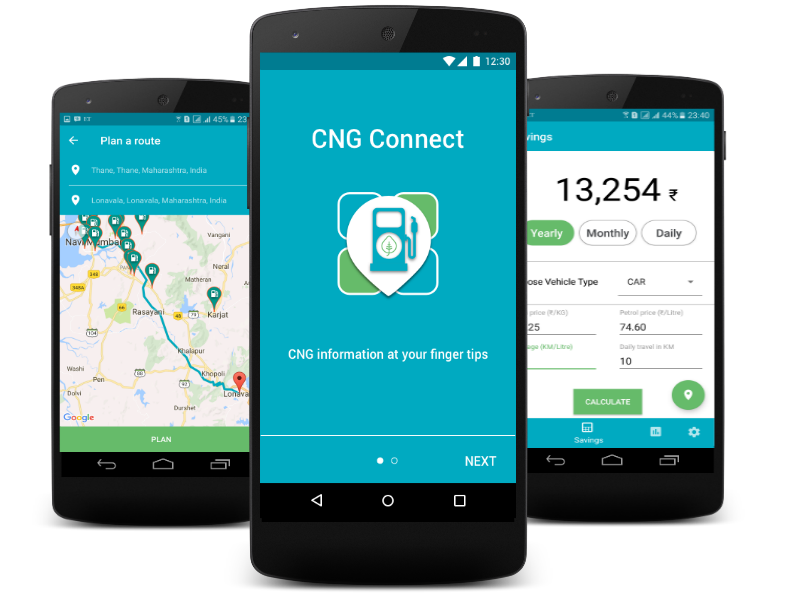
Download the app
Just click on the below buttons to download our app !
LGBTQ culture refers to the social and cultural expressions of lesbian, gay, bisexual, transgender, and queer (or questioning) individuals. This culture encompasses a wide range of creative expressions, social norms, and community practices that provide a sense of belonging and identity for LGBTQ individuals.
What fits your platform best (e.g., academic, journalistic, or conversational)?
That tension—between the desire for mainstream acceptance and the radical inclusivity of the community’s founders—has never fully gone away. The transgender community is not a guest in LGBTQ culture; they are the landlords who built the building, even if subsequent tenants tried to change the locks.
: In 1970, Johnson and Rivera founded STAR (Street Transvestite Action Revolutionaries) to provide housing and support for homeless queer youth and trans women, laying the groundwork for mutual aid within the community. 📈 The Tipping Point and Contemporary Culture spicy shemales new
The bond between the transgender community and broader LGBTQ+ culture is cemented by shared political struggles and mutual support. Both communities face systemic hurdles regarding healthcare access, employment discrimination, and legal recognition. However, collective organizing has led to significant milestones, including anti-discrimination protections, inclusive workplace policies, and expanding healthcare coverage.
co-founded , the first shelter in the U.S. for homeless LGBTQ youth. Unique Identity and Cultural Nuance
The tone should be educational and affirming, but also honest about complexities like transphobia within gay/lesbian spaces or the debate over assimilation vs. liberation. Structure wise, start with defining key terms to establish a foundation. Then trace historical intersection, discuss unique issues facing trans people (healthcare, violence, legal recognition), and delve into the cultural aspects like language, media representation, and activism. End with a forward-looking conclusion that emphasizes unity. Need to avoid jargon overload but still be precise. Length should be substantial, maybe 1500+ words, with clear sections. Use inclusive language throughout. No markdown in the thinking, but the response will need headings for readability. Let me outline: intro, definitions, history, shared culture, specific struggles, internal dynamics, modern shifts, conclusion. Ensure keyword appears naturally in headings and body. Avoid platitudes; provide concrete examples like Stonewall, Sylvia Rivera, current debates. Got it. is a long, in-depth article exploring the nuanced relationship between the transgender community and the broader LGBTQ culture. LGBTQ culture refers to the social and cultural
Ballroom culture, famously documented in the film Paris Is Burning and celebrated in the television series Pose , served as a mutual-aid network and a competitive arena. Terms used widely today—such as "spilling tea," "throwing shade," "vogueing," and "reading"—were created by trans and queer people of color in these spaces.
She leaned forward, her eyes bright. "LGBTQ culture isn't just about the struggle, Leo. It’s about the joy of self-creation. In the outside world, you might be a 'topic' or a 'debate.' But here, and within yourself, you are an architect. You are designing a life that fits your soul, not the one that was handed to you at birth."
True solidarity within LGBTQ culture relies on acknowledging that liberation is not a monolith. By centering transgender voices, defending gender-affirming care, and celebrating trans artistic innovation, the broader queer community honors its roots while paving the way for a future of authentic, collective freedom. 📈 The Tipping Point and Contemporary Culture The
Perhaps no single element of transgender culture has influenced global pop culture more than the Ballroom scene. Originated by Black and Latino transgender women in Harlem during the late 20th century, ballroom established a safe haven from racism and transphobia.
The community frequently targets legislative battles regarding bathroom access, sports participation, and restrictions on youth healthcare.
To understand modern queer history is to understand that trans people were not late additions to the movement, but rather its architects and its catalysts. However, to be honest about the present is to acknowledge the unique hurdles trans people face—sometimes from the very society that marginalizes them, and occasionally from within the acronym that promises them a home.
Check out what CNG Eco Connect app has to offer you
Just click on the below buttons to download our app !
Have any questions on mind , please feel free to write to us