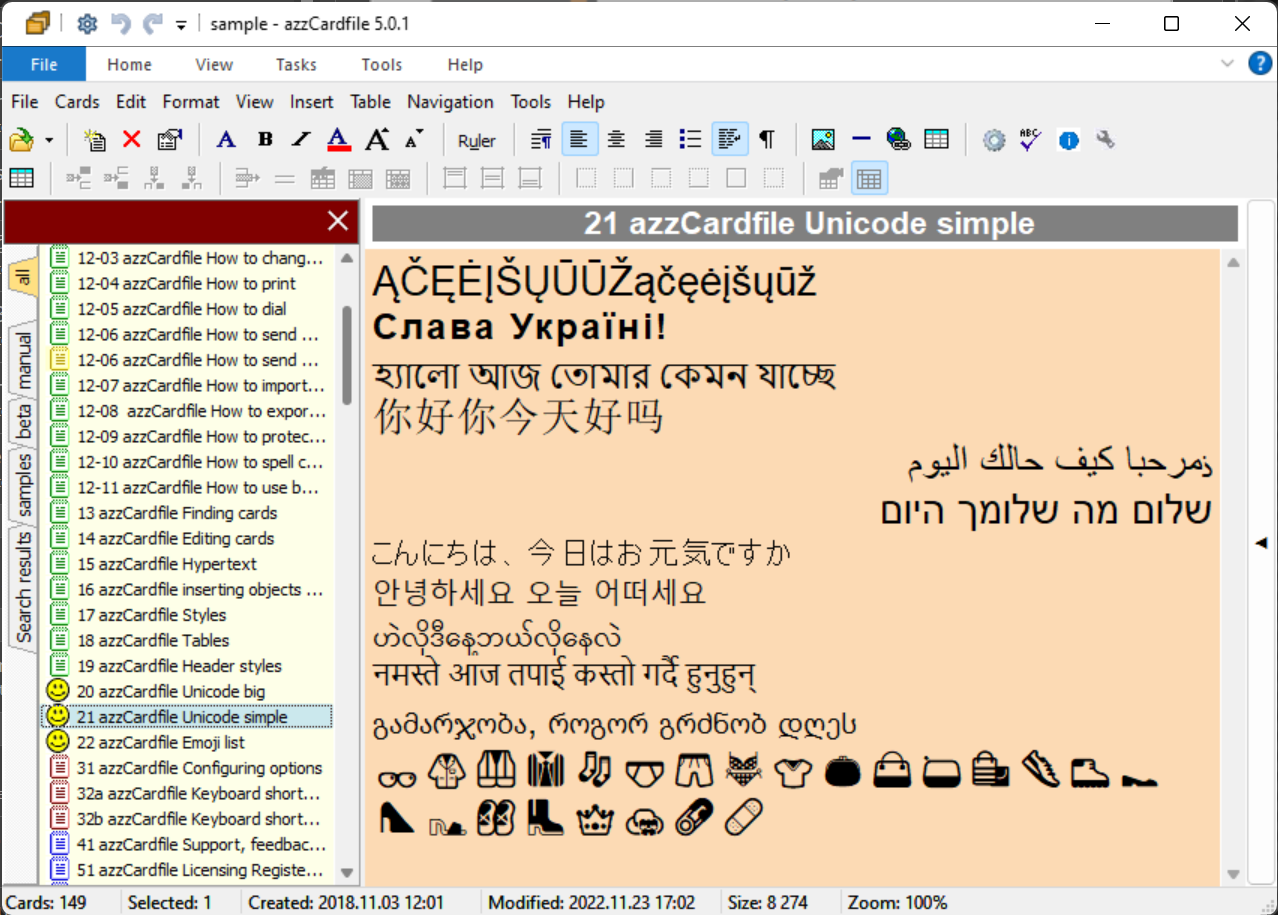
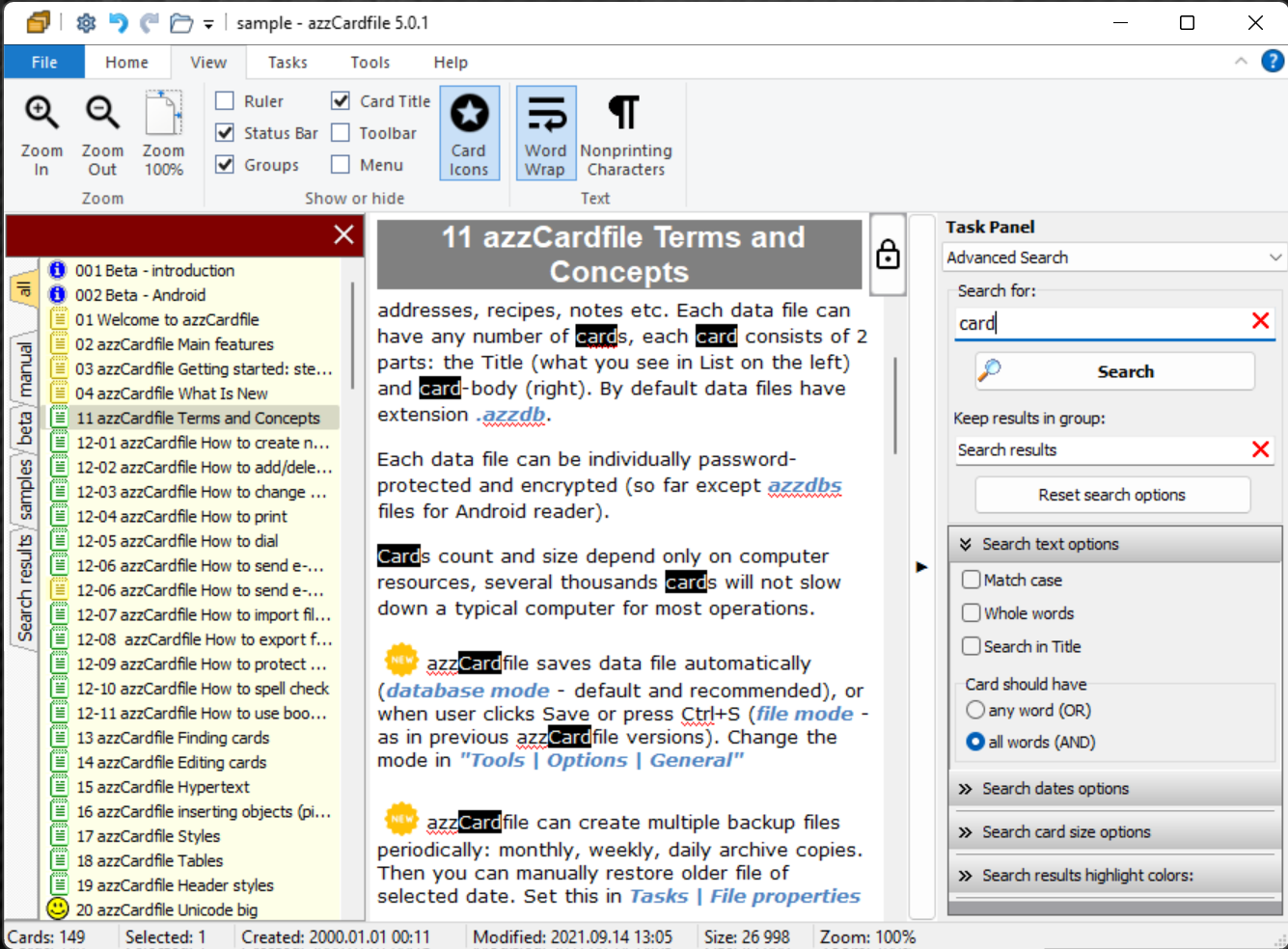
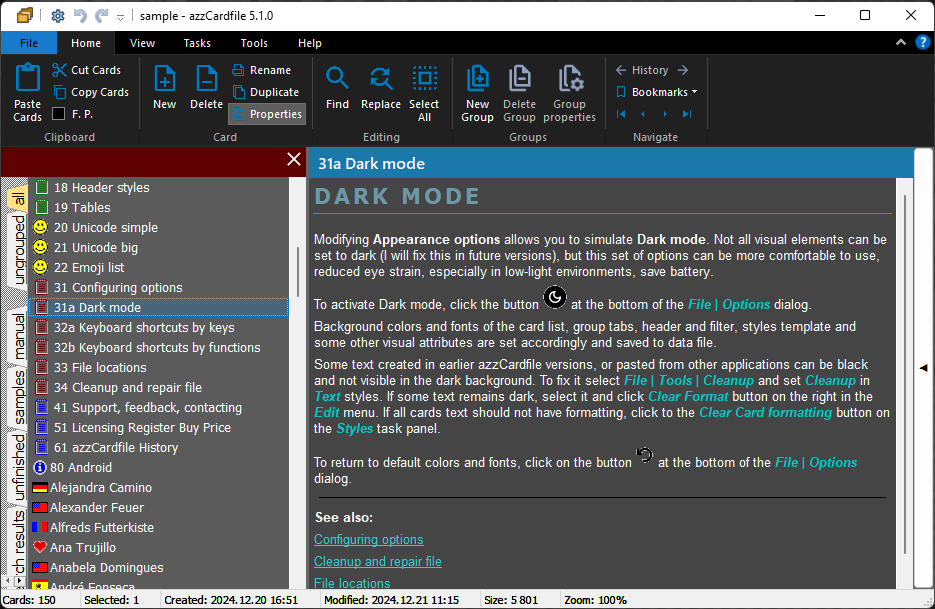
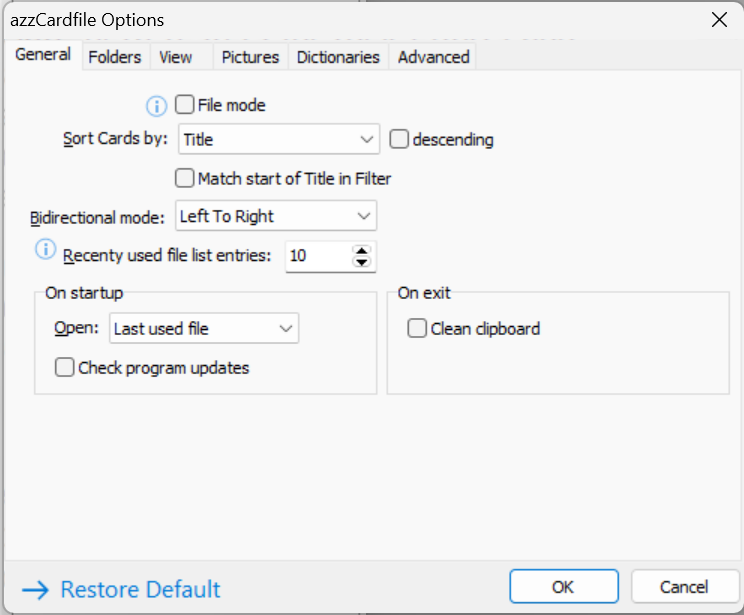
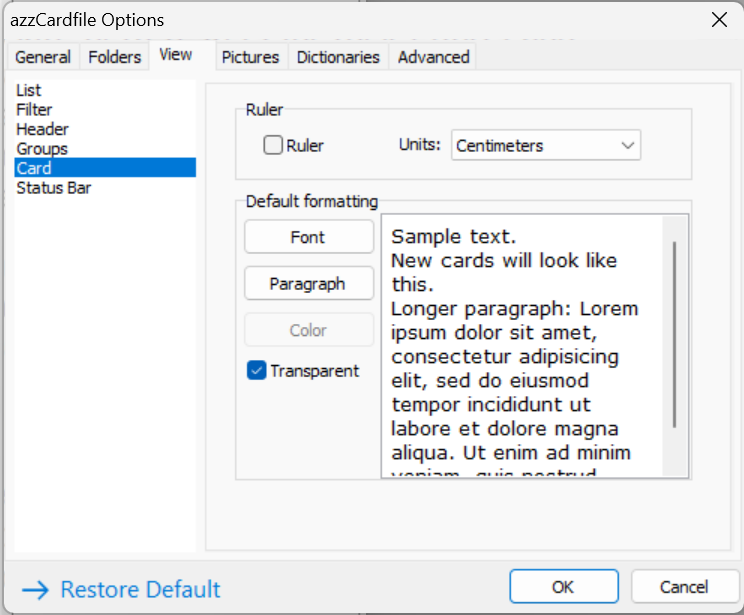
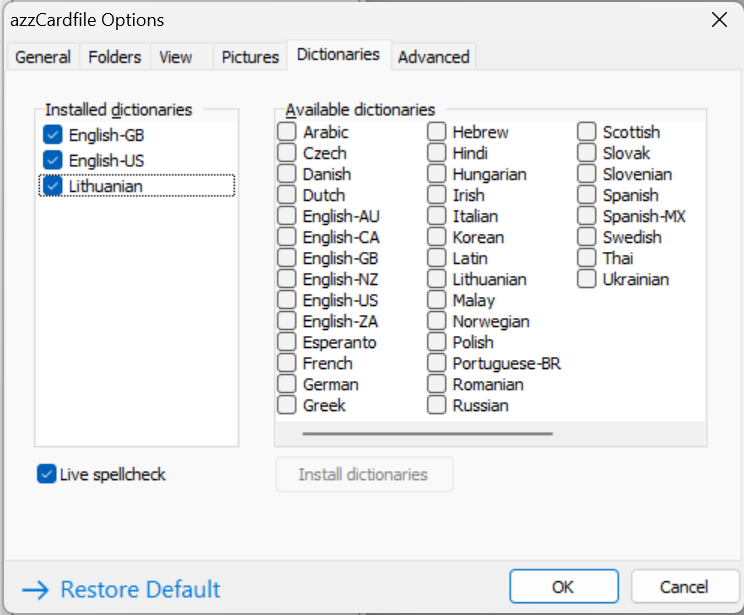
azzCardfile screenshots

You can maintain a secure home environment without compromising data privacy by implementing strong digital hygiene and hardware strategies. Hardware and Placement Strategies
: Most laws focus on whether a person would reasonably expect privacy in a specific location. It is generally legal to record public-facing areas (like your driveway or a neighbor’s front yard), but recording "private" areas (like a neighbor’s bedroom window) is often illegal.
Placing visible signs indicating that security cameras are active manages expectations. It gives visitors, delivery personnel, and neighbors notice that they are entering a monitored zone.
If you must use cloud storage, ensure the provider offers end-to-end encryption. E2EE scrambles the video data from the moment it leaves the camera until it reaches your authorized smartphone. The manufacturer cannot view the footage, and neither can hackers, because only your device holds the decryption key. 3. Secure Your Network Infrastructure tamil villages aunty hidden cam videos in peperonitycom link
Most modern camera software allows users to configure digital "privacy zones." This feature digitally blacks out specific areas of the camera's field of view, preventing the device from recording a neighbor's property or a busy public sidewalk.
Consider traditional, non-internet-connected CCTV systems if you do not require remote viewing capabilities while away from home. Implement End-to-End Encryption (E2EE)
Add technical steps for Detail the privacy laws for a specific country or state Share public link You can maintain a secure home environment without
Cybercriminals actively target internet-connected cameras. Weak passwords, outdated firmware, and unencrypted networks allow hackers to view live feeds, control camera movements, and spy on your home interior. 2. Cloud Data Breaches
This public link is valid for 7 days and shares a thread, including any personal information you added. This link or copies made by others cannot be deleted. If you share with third parties, their policies apply. Can’t copy the link right now. Try again later.
Many popular camera brands store recorded footage on remote cloud servers. If a security camera company suffers a data breach, thousands of hours of private video logs could be leaked, sold, or exposed to the public. 3. Insider Threats and Corporate Snooping Placing visible signs indicating that security cameras are
Wiretapping and eavesdropping laws are often stricter than video laws. In many jurisdictions, recording clear audio of conversations without the consent of the participants is illegal, even if the camera is physically located on your property. Law Enforcement Collaboration
Physically angling cameras downward ensures they focus tightly on entry points, porches, and driveways rather than capturing the broader neighborhood or adjacent yards.
Eliminates reliance on proprietary corporate cloud networks.
: Many commercial cloud-based systems require users to relinquish control of their data to service providers, potentially allowing unauthorized access by the provider or hackers. NYU Tandon School of Engineering II. Legal and Ethical Frameworks