Con l’app ufficiale Lotto e Gratta e Vinci puoi verificare le
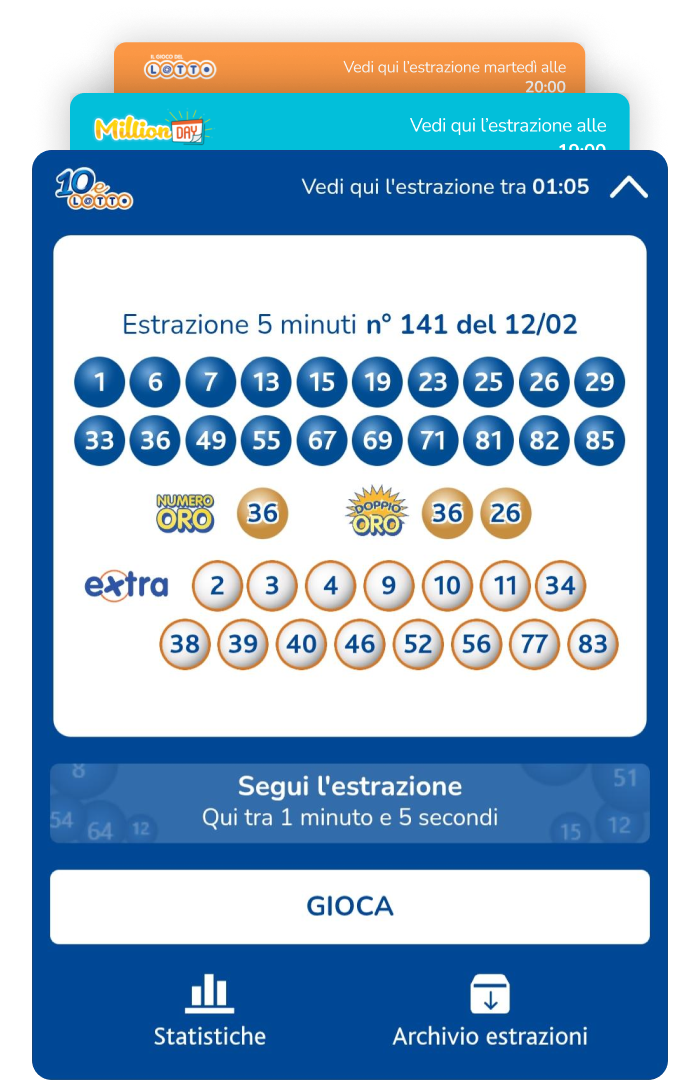
vincite, seguire le estrazioni in diretta e giocare on line
Scarica subito la nuova app!
Scarica subito la nuova app!
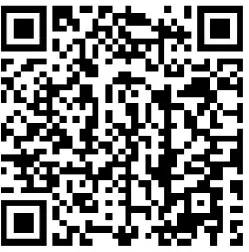
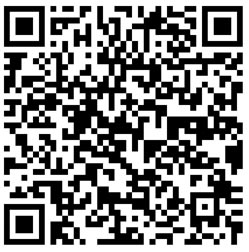
Inquadra il QR code oppure visita dal tuo smartphone il
sito
mylotteries.it
Inquadra il QR code con il tuo smartphone per aprire il sito
da mobile.
Inquadra il QR code con il tuo smartphone per aprire il sito
da mobile.
Come installare l'app
Come installare l'app
1Visita il sito
mylotteries.it
dal cellulare e premi il pulsante
SCARICA PER ANDROID
2Ti verrà chiesto di scaricare il file
MyLotteries.apk
premi il pulsante
SCARICA*
3Una volta scaricato il file premi il pulsante
APRI e infine
INSTALLA
*Se non hai mai scaricato un'app al di fuori del Play
Store vai su
IMPOSTAZIONI > SICUREZZA
del tuo smartphone e controlla che la voce
"Sorgenti sconosciute"
sia
ATTIVA
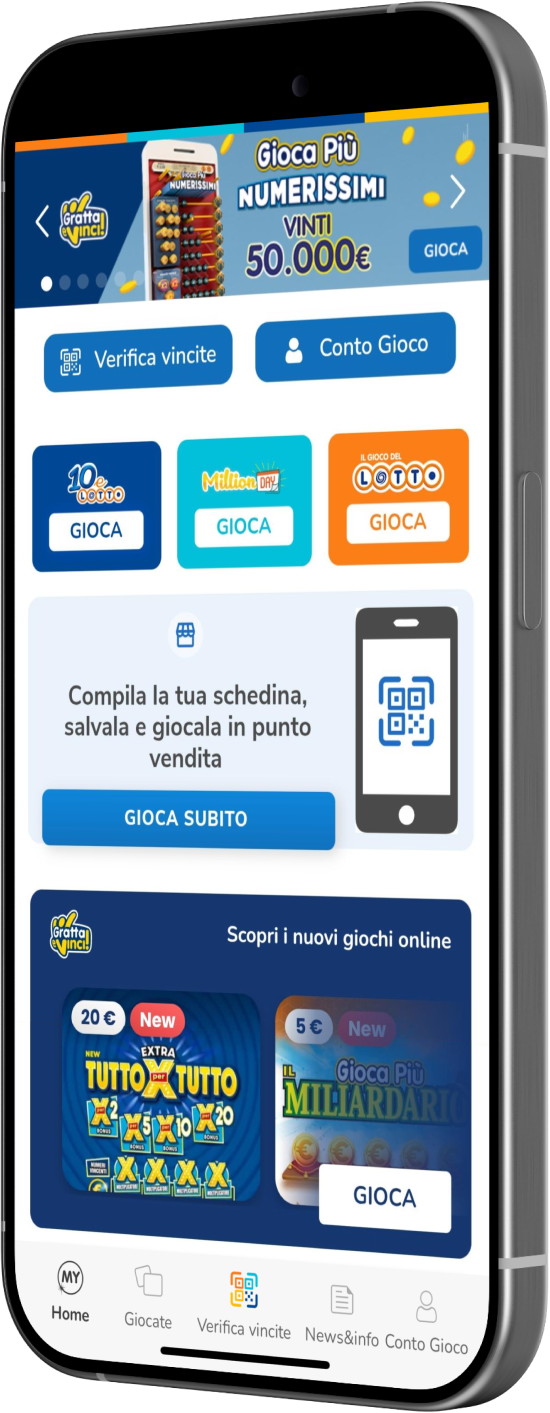
La tua esperienza di gioco in mobilità e in tutta sicurezza.
Con App My Lotteries puoi vivere la tua esperienza a
Lotto,
10eLotto,
MillionDay e
Gratta e Vinci
direttamente dal tuo smartphone dove e quando vuoi. Puoi
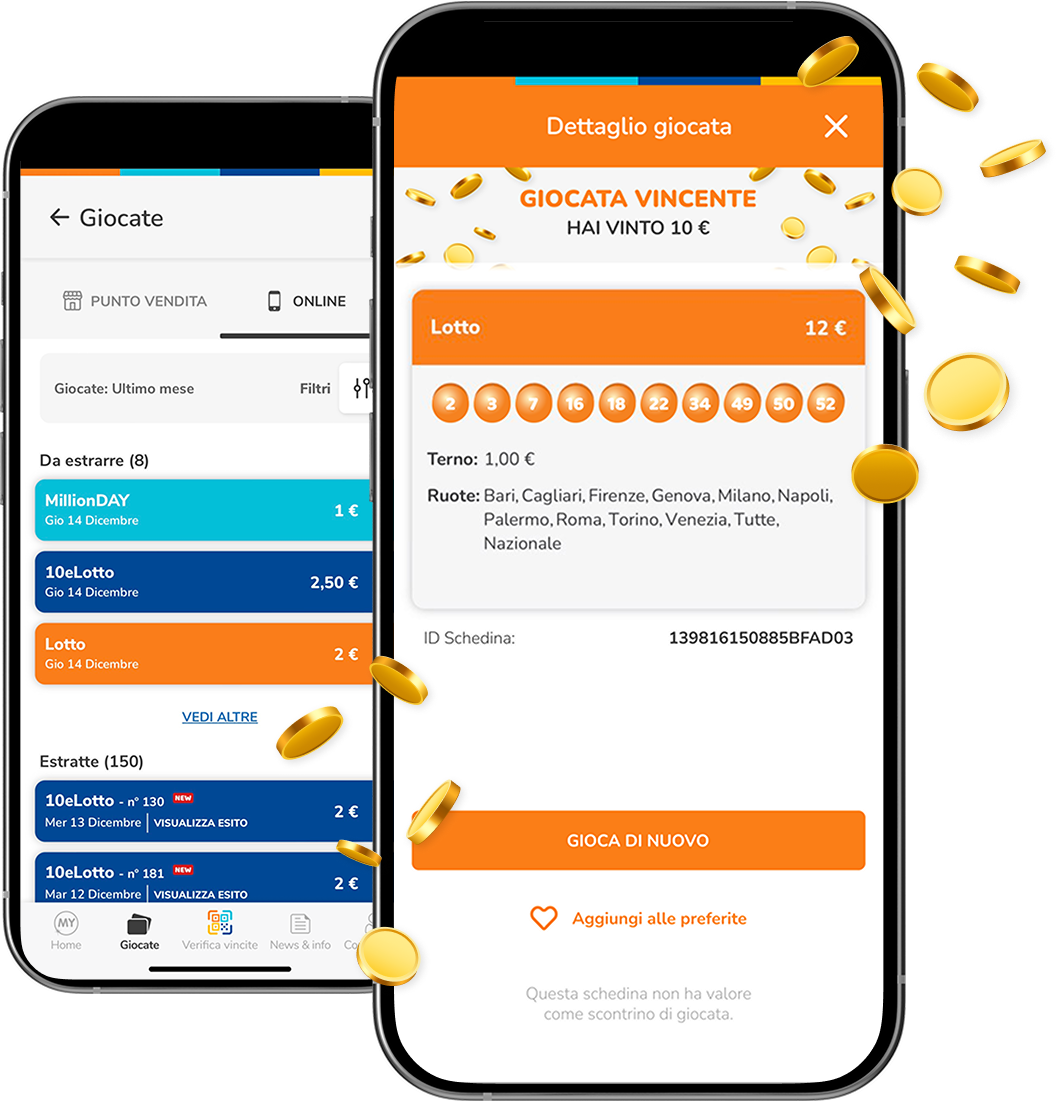
verificare se la tua giocata è vincente, compilare comodamente
la tua schedina in app e giocarla nel punto vendita, consultare
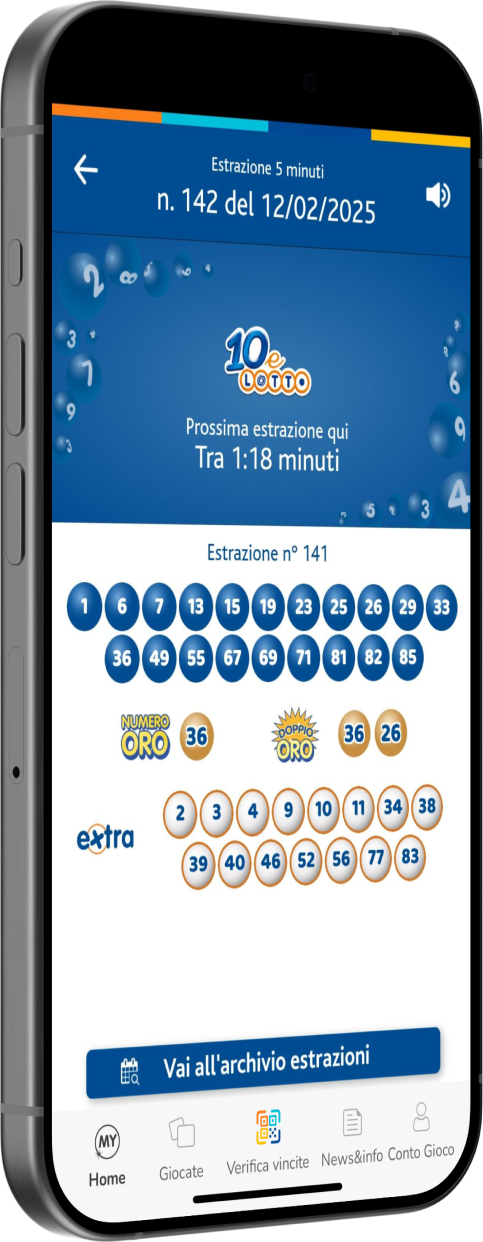
in qualsiasi momento gli ultimi numeri estratti nella sezione
archivio delle estrazioni e giocare online.
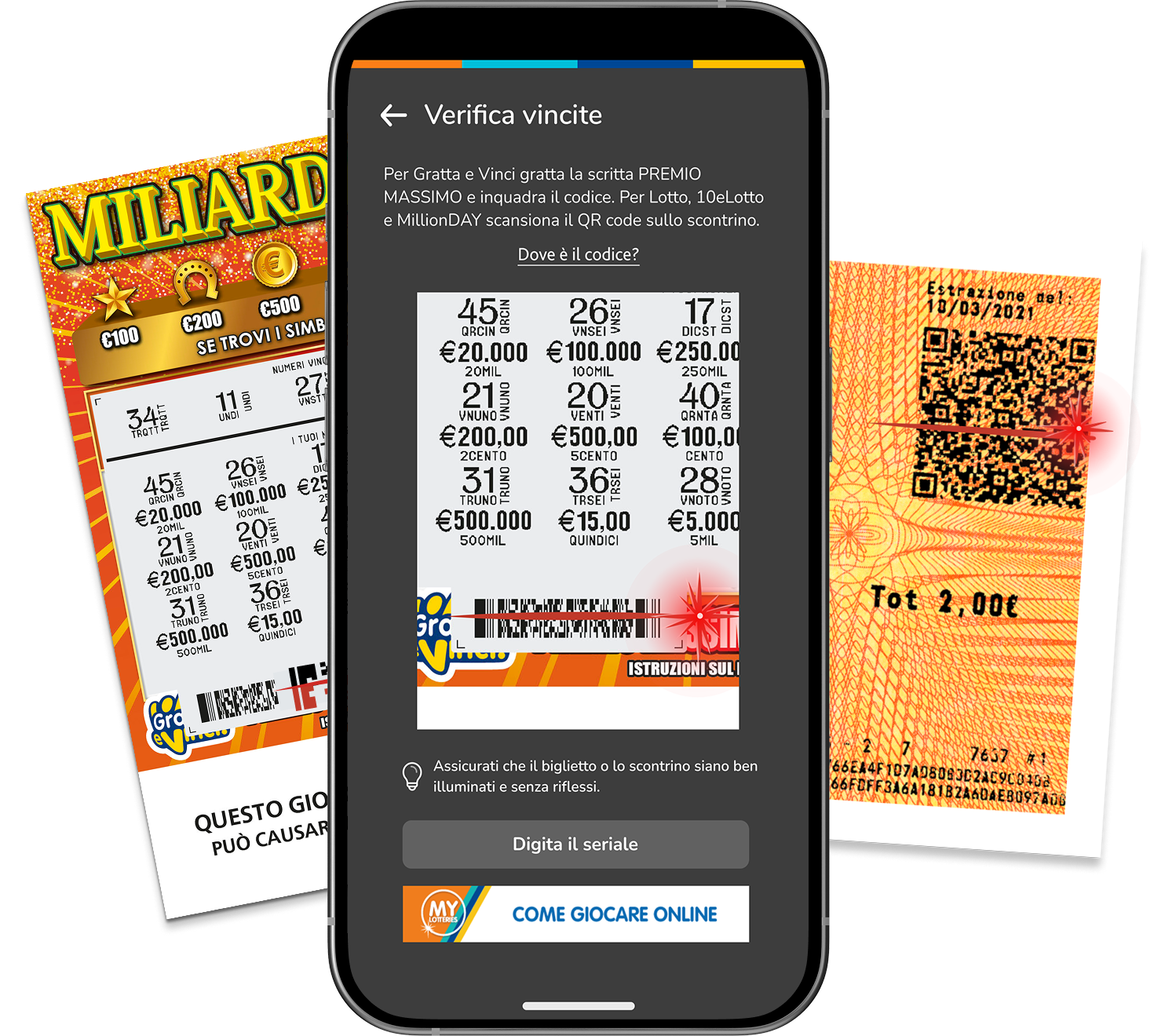
Con l’App My Lotteries puoi controllare se hai vinto semplicemente
inquadrando il biglietto Gratta e Vinci e lo scontrino del 10eLotto,
Lotto e MillionDAY nella sezione Verifica Vincite.
Teen Nudist Pictures High Quality -
A major barrier to merging body positivity with wellness is the misconception that accepting your body means neglecting your health. This is where the Health At Every Size (HAES) paradigm offers critical clarity.
Theory is great, but how does this look at 7:00 AM on a Tuesday?
Recognizing that true wellness includes stress management, adequate sleep, and strong social connections. Practical Strategies for This Lifestyle
What is the biggest you face when trying to reject diet culture? Share public link
"Clean eating," "lifestyle changes," and "wellness resets" often became code words for calorie restriction and weight loss. People were told to listen to their bodies, but only if their bodies wanted green juice and intense workouts. This pseudo-wellness promoted the idea that a larger body was proof of a lack of discipline or a failure to live a healthy life.
This report examines the legal, ethical, and safety implications surrounding high-quality digital imagery of teenagers in nudist contexts. While naturism—a lifestyle advocating for non-sexual social nudity—is legal in many jurisdictions, the digital distribution and possession of such imagery involving minors are governed by stringent child protection and privacy laws 1. Legal Landscape and Classifications
In most jurisdictions, any visual depiction of a minor engaging in sexually explicit conduct is illegal. However, the legal definition extends beyond what might be commonly considered "explicit." Laws regarding Child Sexual Abuse Material (CSAM)—formerly referred to as child pornography—are broad and often include any nude or partially nude images of individuals under the age of 18.
While naturism remains a recognized lifestyle, legal experts and reputable nudist organizations often advise against sharing nude images of children and teenagers online due to the risk of legal complications and exploitation. Parents are encouraged to maintain open communication with teens regarding digital safety and to use parental control tools, such as Apple's Communication Safety , to monitor and blur sensitive content.
Wellness is a holistic approach to health that encompasses physical, mental, and emotional well-being. It's about making conscious choices that nourish our bodies, minds, and spirits. By prioritizing wellness, we can:
But what if that tension is a lie? What if the most radical, sustainable approach to health isn't choosing one over the other, but weaving them together?
A body-positive wellness plate might look like roasted broccoli and a buttery croissant. Why? Because mental wellness is part of overall wellness. Restriction leads to bingeing and shame. Allowing all foods leads to balance. Ask yourself: What can I add to this meal to make me feel satisfied and energized? (Hint: Sometimes the answer is just “more salt,” not more kale.)
As the movement has gone mainstream, it has faced growing scrutiny regarding its authenticity:
Focusing on fueling your body with nutrient-dense foods (fruits, vegetables, whole grains) while maintaining the flexibility to enjoy all foods in moderation.
A major barrier to merging body positivity with wellness is the misconception that accepting your body means neglecting your health. This is where the Health At Every Size (HAES) paradigm offers critical clarity.
Theory is great, but how does this look at 7:00 AM on a Tuesday?
Recognizing that true wellness includes stress management, adequate sleep, and strong social connections. Practical Strategies for This Lifestyle
What is the biggest you face when trying to reject diet culture? Share public link
"Clean eating," "lifestyle changes," and "wellness resets" often became code words for calorie restriction and weight loss. People were told to listen to their bodies, but only if their bodies wanted green juice and intense workouts. This pseudo-wellness promoted the idea that a larger body was proof of a lack of discipline or a failure to live a healthy life.
This report examines the legal, ethical, and safety implications surrounding high-quality digital imagery of teenagers in nudist contexts. While naturism—a lifestyle advocating for non-sexual social nudity—is legal in many jurisdictions, the digital distribution and possession of such imagery involving minors are governed by stringent child protection and privacy laws 1. Legal Landscape and Classifications
In most jurisdictions, any visual depiction of a minor engaging in sexually explicit conduct is illegal. However, the legal definition extends beyond what might be commonly considered "explicit." Laws regarding Child Sexual Abuse Material (CSAM)—formerly referred to as child pornography—are broad and often include any nude or partially nude images of individuals under the age of 18.
While naturism remains a recognized lifestyle, legal experts and reputable nudist organizations often advise against sharing nude images of children and teenagers online due to the risk of legal complications and exploitation. Parents are encouraged to maintain open communication with teens regarding digital safety and to use parental control tools, such as Apple's Communication Safety , to monitor and blur sensitive content.
Wellness is a holistic approach to health that encompasses physical, mental, and emotional well-being. It's about making conscious choices that nourish our bodies, minds, and spirits. By prioritizing wellness, we can:
But what if that tension is a lie? What if the most radical, sustainable approach to health isn't choosing one over the other, but weaving them together?
A body-positive wellness plate might look like roasted broccoli and a buttery croissant. Why? Because mental wellness is part of overall wellness. Restriction leads to bingeing and shame. Allowing all foods leads to balance. Ask yourself: What can I add to this meal to make me feel satisfied and energized? (Hint: Sometimes the answer is just “more salt,” not more kale.)
As the movement has gone mainstream, it has faced growing scrutiny regarding its authenticity:
Focusing on fueling your body with nutrient-dense foods (fruits, vegetables, whole grains) while maintaining the flexibility to enjoy all foods in moderation.