they are coming g hot

They Are Coming G Hot [exclusive]

The Yearbook is a great resource for architects and students, as it not only compiles incredible projects, but also details the project's development.
Natalie Perri
Unraveling Architecture

Idea

You’ve spent hours sketching, modeling, refining. Yet, when you look at your design—something still feels missing. The idea is there, but it’s not speaking. You see others getting noticed, published, awarded—and you can’t help wondering: What are they doing differently? Maybe you’ve already worked on a few projects—whether for school, clients, or even competitions. You’ve poured your energy, creativity, and countless late nights into them, only to wonder later—why didn’t it stand out more? It’s not that your design was bad. It’s that something in your process, presentation, or clarity didn’t fully connect. That’s the invisible barrier separating good architects from great ones.

Every project you do matters. It’s a step forward—but sometimes it feels like running in place. You know you’re learning, but you don’t feel the growth. You want your projects to stand out, to speak to the jury, to be remembered. Yet too often they end up being “another nice concept.” That uncertainty can be frustrating. You question your direction, your ideas, even your skills. But the truth is—every great designer has been there. The difference is: the ones who progress learn how to analyze, reflect, and improve their process.


There’s a Solution:
The Architecture Competitions Yearbook 2025

That’s where the Architecture Competitions Yearbook 2025 comes in — a real-world guide that helps you transform the way you design, think, and present architecture. In this newest edition, we go deep into the stories behind awarded projects—uncovering how designers turn abstract ideas into meaningful spaces. You’ll explore 10 of the most inspiring competitions of the past 12 months and 3 exclusive articles from world-renowned architects that reveal how they approach concept, context, and communication.

Each project breakdown walks you step-by-step through the creative process—from the first sketch to the final board—showing how the best architects think, decide, and refine. You’ll discover tips and strategies that will instantly improve the quality and clarity of your own designs. This isn’t just inspiration — it’s a framework for growth.

This Book is Perfect for You if You Want to Know:

they are coming g hot
What’s the secret behind
awarded submissions?
How to create an innovative concept
that truly responds to the problem?
How to make your presentation board stand out and tell a story?
How to grab the attention of a jury panel?
How to strengthen and empower your design process?
What makes a project great rather than just good?

Learn “How We Won” from the Masters

One of the highlights of the Architecture Competitions Yearbook 2025 is the “How We Won That Competition” section — where winning teams reveal how their ideas evolved into award-winning designs. You’ll uncover the creative thinking, key decisions, and presentation strategies that impressed expert juries and set their projects apart.

These real-world insights give you the tools to strengthen your own work — from building stronger concepts to communicating them with clarity and impact. Every tip, method, and strategy shared in this section can be instantly applied to your own projects, helping you elevate your design process right away. It’s like learning directly from the architects who’ve already succeeded — a goldmine of practical advice to help you design smarter, present better, and take your projects to the next level.


Take a look

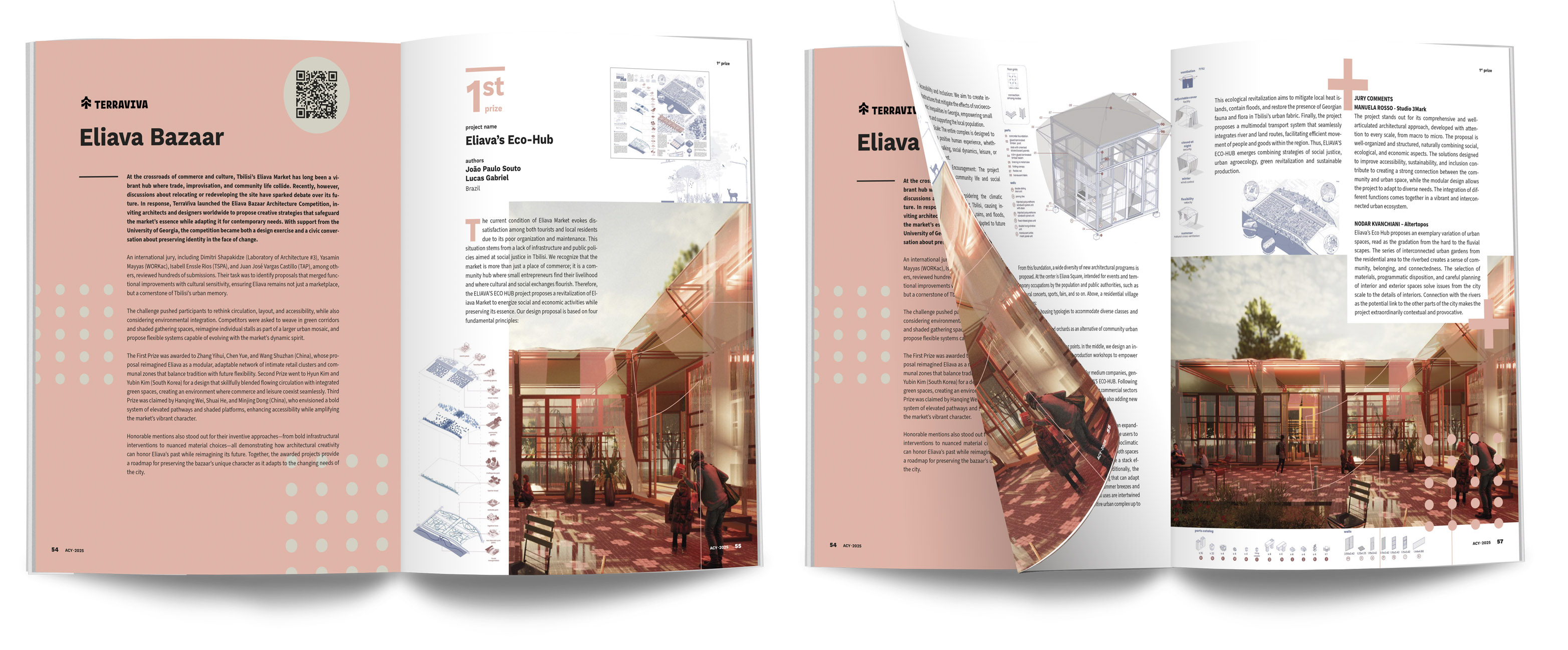
Architecture Yearbook example

Interested? Here’s a sneak peek at what’s inside

they are coming g hot

On over 220 pages:

  • 3 exclusive articles with designers from world-leading studios - OMA, KKAA, and Mecanoo - sharing their winning mindsets and creative methods.
  • 10 of the most inspiring architectural competitions from the past 12 months.
  • 10 detailed case studies of the awarded projects—complete with author commentaries, process insights, and diagrams you can learn from.
  • Over 30 projects presented in full—including project boards and descriptions revealing the ideas behind them.
  • Dozens of lessons, techniques, and perspectives to elevate your architectural thinking and presentation skills.

Check-out Video Reviews

: When a military helicopter or aircraft was "coming in hot," it meant they were landing quickly in an active combat zone. The pilot had to maintain maximum speed to avoid being shot down, often arriving with "guns blazing" to suppress enemy fire.

: In helicopter operations (such as medical evacuations or troop deployments), a "hot LZ" (Landing Zone) means the area is actively under enemy fire. Landing in a hot LZ requires maximum speed and immediate tactical engagement.

“Then we go where they aren’t,” Jesse said. “They’re coming hot. That’s their whole deal. They radiate. They don’t think like us. They think like fire. Fire goes to fuel. We are the fuel. So we don’t be fuel. We be water. Mud. Rock.”

I can format the text to perfectly match your target audience. Share public link

The phrase remains popular because it relies on visceral sensory language. The word "hot" implies friction, heat, gunfire, and intensity. It forces the listener to visualize something moving so fast it might burn up on impact. It is a masterclass in linguistic efficiency, packing speed, danger, and immediacy into just four syllables.

One sentence on what you're "dropping" (the product, the idea, the event).

The term originally described aircraft (often military) landing at a higher-than-recommended airspeed. This usually happened during combat or emergencies where a slow, methodical descent wasn't an option.

The phrase originates from military aviation shorthand. Pilots use "coming in hot" to describe an aircraft approaching a landing zone at a speed much higher than normal, or carrying live, armed weaponry.

Coming in Hot. How I walk in the door at night sets… | by Lacy Starling | a Few Words | Medium

: It serves as a warning to ground crews that the aircraft may have overheated brakes or potential fire risks due to the excessive speed required for the landing. Modern Common Usage


15,000+ architects already own theirs — find out why

Imagine one year from now—your project doesn’t just look good. It resonates. It tells a story. It stands out. You finally understand what makes a project powerful, and your portfolio reflects that growth. You’re confident, consistent, and recognized for your ideas. That’s the transformation this book was created for. Stop guessing what makes a project win—start learning from those who already do.

Get ready to become a Better Architect!


They Are Coming G Hot [exclusive]

: When a military helicopter or aircraft was "coming in hot," it meant they were landing quickly in an active combat zone. The pilot had to maintain maximum speed to avoid being shot down, often arriving with "guns blazing" to suppress enemy fire.

: In helicopter operations (such as medical evacuations or troop deployments), a "hot LZ" (Landing Zone) means the area is actively under enemy fire. Landing in a hot LZ requires maximum speed and immediate tactical engagement.

“Then we go where they aren’t,” Jesse said. “They’re coming hot. That’s their whole deal. They radiate. They don’t think like us. They think like fire. Fire goes to fuel. We are the fuel. So we don’t be fuel. We be water. Mud. Rock.” they are coming g hot

I can format the text to perfectly match your target audience. Share public link

The phrase remains popular because it relies on visceral sensory language. The word "hot" implies friction, heat, gunfire, and intensity. It forces the listener to visualize something moving so fast it might burn up on impact. It is a masterclass in linguistic efficiency, packing speed, danger, and immediacy into just four syllables. : When a military helicopter or aircraft was

One sentence on what you're "dropping" (the product, the idea, the event).

The term originally described aircraft (often military) landing at a higher-than-recommended airspeed. This usually happened during combat or emergencies where a slow, methodical descent wasn't an option. Landing in a hot LZ requires maximum speed

The phrase originates from military aviation shorthand. Pilots use "coming in hot" to describe an aircraft approaching a landing zone at a speed much higher than normal, or carrying live, armed weaponry.

Coming in Hot. How I walk in the door at night sets… | by Lacy Starling | a Few Words | Medium

: It serves as a warning to ground crews that the aircraft may have overheated brakes or potential fire risks due to the excessive speed required for the landing. Modern Common Usage
Order Multipack

they are coming g hot

E-BOOK MULTIPACK

Order now for
99.90 USD
 
they are coming g hot they are coming g hot
they are coming g hot

PAPERBACK MULTIPACK

Order now for
149.90 USD
+ shipping from 19.90 USD
they are coming g hot they are coming g hot

Contact