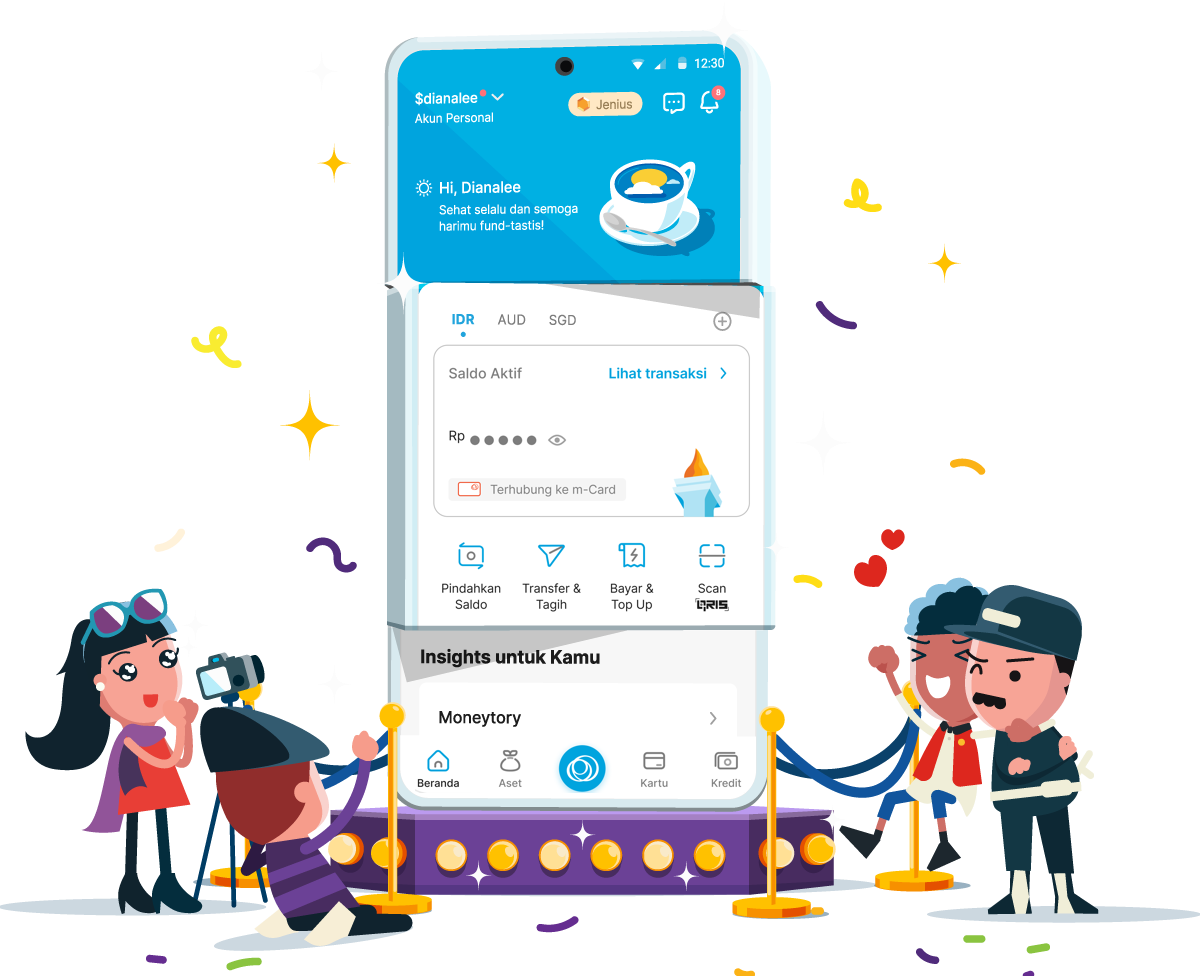
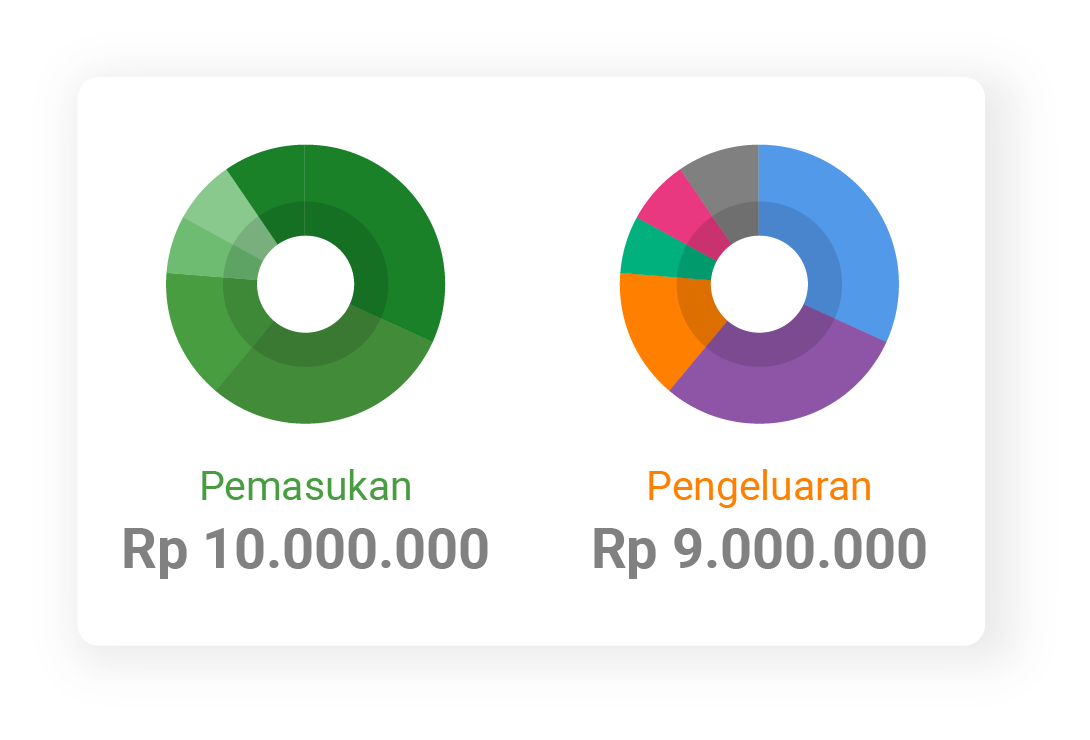
Menabung, bertransaksi, hingga memulai kehidupan yang lebih baik bisa dilakukan dengan Jenius.
Total Pengguna
Total Fitur
Total Co.Creators
Historically, the patriarchal joint family system defined a woman's role primarily through domesticity and caregiving. While this structure remains prevalent in many rural regions, urban India is witnessing a significant shift toward nuclear families. Despite these structural changes, the core value of filial piety remains intact. Modern Indian women often juggle multi-generational responsibilities, caring for aging parents and in-laws while raising children. The Concept of Shakti
While traditional expectations regarding marriage and domesticity remain strong, modern women increasingly exercise autonomy over their life choices, career paths, and financial decisions. 2. Traditional Attire and Contemporary Fashion
With expanding public roles comes the challenge of managing the "double burden"—balancing demanding careers with traditional domestic expectations.
Spirituality forms the rhythm of daily life for most Indian women, regardless of their specific religion. Women are often the custodians of cultural rituals and oral traditions.
At its core, Velamma follows the life of its titular character, Velamma Lakshmi, a traditional South Indian woman. She is typically portrayed as a devoted, middle-aged wife and mother, distinguished by her traditional attire—usually a silk saree, a bindi, and jasmine flowers in her hair.
Despite operating in a legal grey area, the Velamma series and its predecessor Savita Bhabhi became cultural touchstones. Their viral circulation through unofficial channels—PDFs, file-sharing sites, and other means—allowed them to reach an audience far beyond the confines of the official website, which was frequently banned in India. The comics became "sticky objects that absorb and express the dynamics of class, gender and taboo".
Multi-generational living remains common. Women often balance roles as daughters, wives, mothers, and daughters-in-law, navigating complex familial hierarchies with resilience.
Whether you view her as a liberating figure of female sexual agency or a problematic male fantasy dressed in a saree, there is no denying that Velamma is a legend of Toonland—a voluptuous, unapologetic, and unforgettable South Indian icon in the digital underground.
Driven by digital literacy and government initiatives like Stand-Up India , women in both rural and urban areas are launching successful businesses. Rural women often form Self-Help Groups (SHGs) to produce textiles, handicrafts, and organic foods, gaining financial autonomy. 5. Wellness, Beauty, and Self-Care
The core of Velamma's story revolves around her exploration of her own sexuality, both with and without her husband's knowledge. She is often placed in scenarios that involve younger men, other women, and even her husband’s friends. While specific details of every arc are kept in the underground sphere, we can summarize some key thematic storylines found in the volumes:
This unstitched fabric, ranging from five to nine yards, remains the ultimate symbol of Indian elegance. Regional variations like Banarasi silk, Kanjeevaram, and Chanderi reflect local weaving legacies.
The readership largely remains anonymous, but the very existence of this academic interest—and the fact that the series is still discussed in online forums and readily available on platforms like Amazon Kobo—suggests a significant and enduring fan base.

Historically, the patriarchal joint family system defined a woman's role primarily through domesticity and caregiving. While this structure remains prevalent in many rural regions, urban India is witnessing a significant shift toward nuclear families. Despite these structural changes, the core value of filial piety remains intact. Modern Indian women often juggle multi-generational responsibilities, caring for aging parents and in-laws while raising children. The Concept of Shakti
While traditional expectations regarding marriage and domesticity remain strong, modern women increasingly exercise autonomy over their life choices, career paths, and financial decisions. 2. Traditional Attire and Contemporary Fashion
With expanding public roles comes the challenge of managing the "double burden"—balancing demanding careers with traditional domestic expectations.
Spirituality forms the rhythm of daily life for most Indian women, regardless of their specific religion. Women are often the custodians of cultural rituals and oral traditions. Velamma Aunty Comic
At its core, Velamma follows the life of its titular character, Velamma Lakshmi, a traditional South Indian woman. She is typically portrayed as a devoted, middle-aged wife and mother, distinguished by her traditional attire—usually a silk saree, a bindi, and jasmine flowers in her hair.
Despite operating in a legal grey area, the Velamma series and its predecessor Savita Bhabhi became cultural touchstones. Their viral circulation through unofficial channels—PDFs, file-sharing sites, and other means—allowed them to reach an audience far beyond the confines of the official website, which was frequently banned in India. The comics became "sticky objects that absorb and express the dynamics of class, gender and taboo".
Multi-generational living remains common. Women often balance roles as daughters, wives, mothers, and daughters-in-law, navigating complex familial hierarchies with resilience. Historically, the patriarchal joint family system defined a
Whether you view her as a liberating figure of female sexual agency or a problematic male fantasy dressed in a saree, there is no denying that Velamma is a legend of Toonland—a voluptuous, unapologetic, and unforgettable South Indian icon in the digital underground.
Driven by digital literacy and government initiatives like Stand-Up India , women in both rural and urban areas are launching successful businesses. Rural women often form Self-Help Groups (SHGs) to produce textiles, handicrafts, and organic foods, gaining financial autonomy. 5. Wellness, Beauty, and Self-Care
The core of Velamma's story revolves around her exploration of her own sexuality, both with and without her husband's knowledge. She is often placed in scenarios that involve younger men, other women, and even her husband’s friends. While specific details of every arc are kept in the underground sphere, we can summarize some key thematic storylines found in the volumes: The readership largely remains anonymous
This unstitched fabric, ranging from five to nine yards, remains the ultimate symbol of Indian elegance. Regional variations like Banarasi silk, Kanjeevaram, and Chanderi reflect local weaving legacies.
The readership largely remains anonymous, but the very existence of this academic interest—and the fact that the series is still discussed in online forums and readily available on platforms like Amazon Kobo—suggests a significant and enduring fan base.
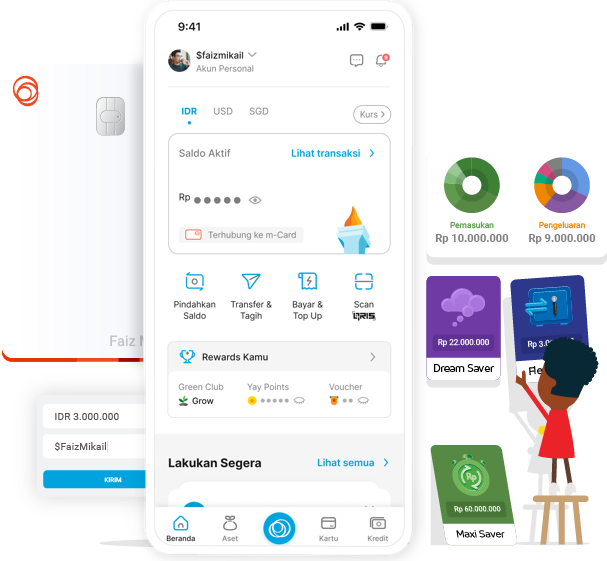
Buka, atur, dan tarik tabungan
berbunga kompetitif tanpa ke bank.
Pengajuan mudah. Penarikan dan cicilannya fleksibel pilih sendiri, kapan pun, di mana pun.
Temukan penawaran menarik yang sesuai dengan Green Club kamu.
Yuk, ikut menjadi Co.Creators dan sampaikan idemu untuk Jenius.
Lindungi dirimu dengan tidak membagi data pribadi ke siapa pun. Mau lebih aman? Klik tombol di bawah, ya!